
生活与家 · 空间设计
当声音开始拥有形状:Karimoku Case 13 · Dynaudio Lounge
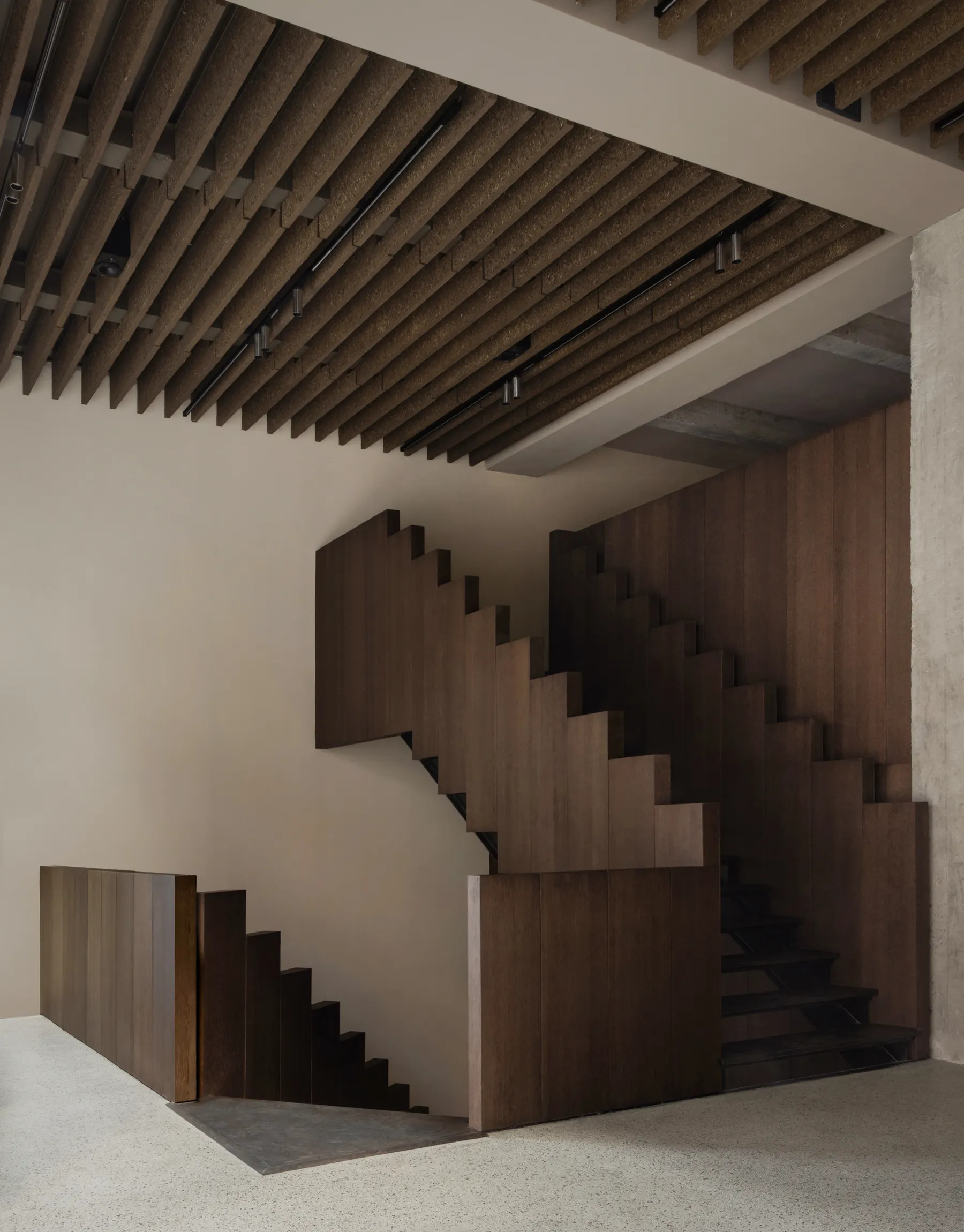
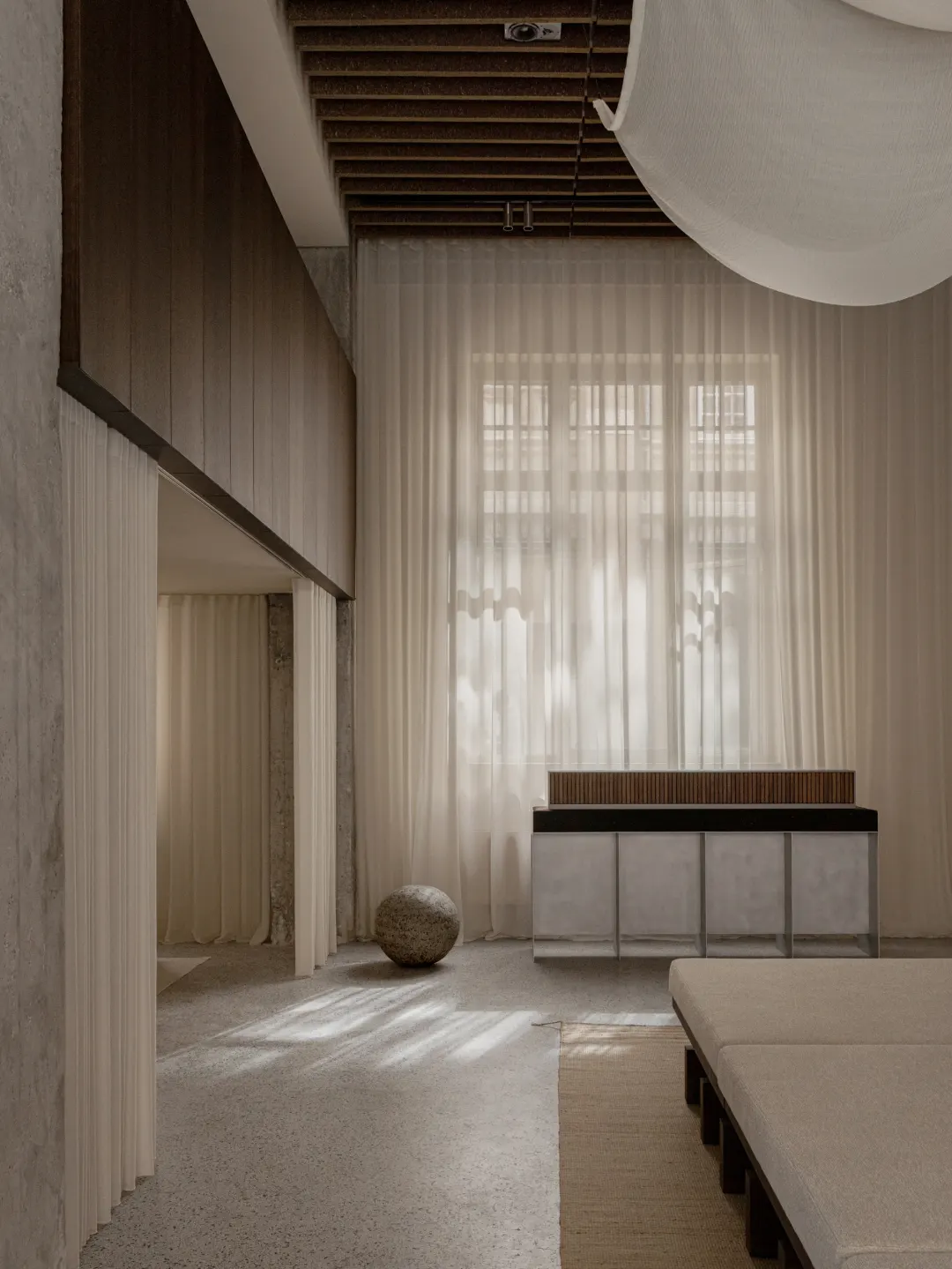
Karimoku Case 的第十三个项目落在哥本哈根 Dynaudio Lounge——当聆听成为一种空间行为,家具开始参与声音被体验的方式。
阅读说明 | NOTE
KARIMOKU CASE 13 中所采用的部分家具,目前仍以原型(Prototype)状态呈现。这些原型是针对具体空间与使用需求进行开发的设计成果,其尺寸、结构、材质、细节及最终规格,均有可能在未来正式商品化过程中进一步调整,因此与最终量产版本之间可能存在较大差异。
Please note that several pieces featured in CASE 13 are currently presented as prototypes. Developed specifically in response to the spatial and functional requirements of the project, these designs may undergo further revisions in dimensions, construction, materials and detailing before any eventual commercial release. The final production versions may therefore differ substantially from the prototypes shown here.
基于这一原因,目前部分产品的详细规格、型号及相关信息尚未正式对外公开。
For this reason, detailed specifications, model numbers and certain product information have not yet been officially disclosed.
本文涉及的相关家具内容,主要用于理解 CASE 13 的空间设计与产品开发逻辑,并不代表最终商品规格。敬请留意。
The furniture featured in this article should be understood primarily within the context of CASE 13 and its design process, rather than as a representation of final production specifications.
当声音开始拥有形状
WHEN SOUND TAKES FORM
我们通常如何理解声音?它不可见,也无法被真正握住。
音乐开始之后,声音进入空间,经过墙面、家具、织物与人的身体,最终消散于空气之中。我们能够感受到它,却很少将它视作一种真正的"空间材料"。
How do we understand sound? It is invisible and impossible to hold. Once music begins, sound enters a room, travelling through architecture, furniture, textiles and the human body before eventually dissolving into the air. We experience it constantly, yet rarely think of it as a material from which space itself can be shaped.
Karimoku Case 的第十三个项目,恰恰从这里开始。
Karimoku Case 13 begins precisely here.
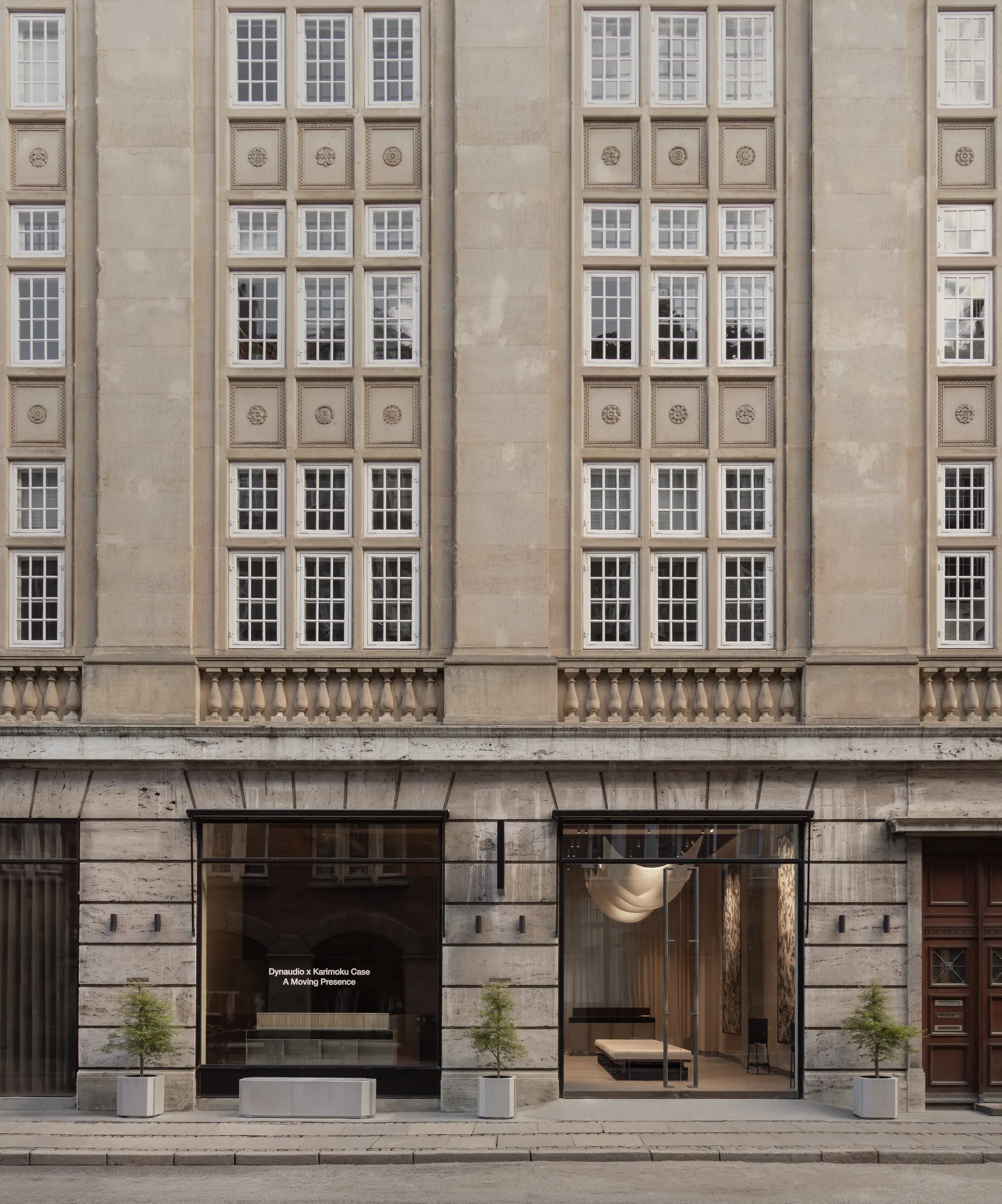
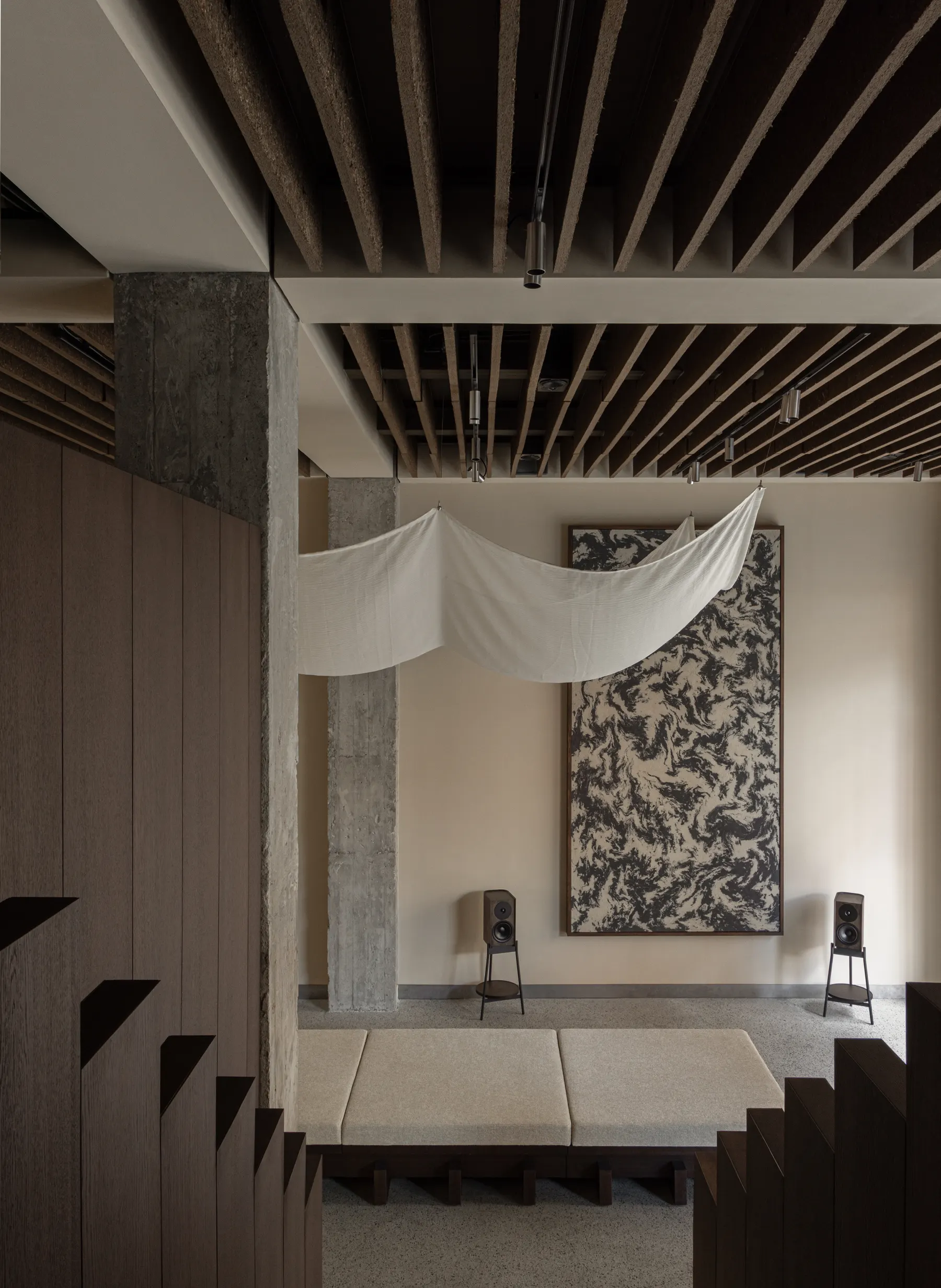
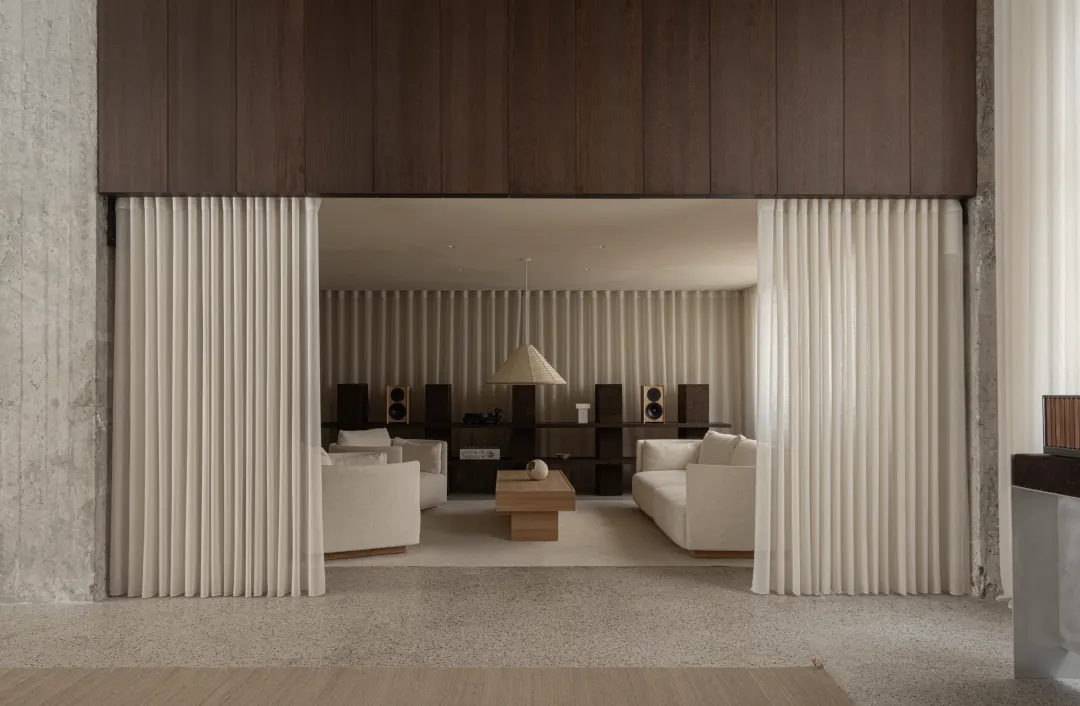
CASE 13 的舞台位于哥本哈根市中心——丹麦音响品牌 Dynaudio 的首个欧洲永久旗舰空间 Dynaudio Lounge。空间由 Karimoku Case 的设计总监 Norm Architects 操刀,并由三个楼层构成。声音、建筑、家具与材质不再被分别理解,而被组织成一个可以被身体完整感知的环境。
Located in central Copenhagen, Dynaudio Lounge is the Danish audio brand's first permanent European flagship. Designed by Norm Architects, the three-storey environment brings sound, architecture, furniture and materiality into a single spatial experience.
这一次,Karimoku Case 面对的并不只是一栋建筑。还有声音。
This time, Karimoku Case is responding not only to architecture. It is responding to sound.
聆听,也是一种居住空间的方式
LISTENING IS A WAY OF INHABITING
传统的音响展厅往往从设备开始。扬声器、功率、频响、技术参数,以及如何让声音尽可能准确地被还原。
A conventional audio showroom often begins with equipment — speakers, power, frequency response and the technical pursuit of accurate reproduction.
但 Dynaudio Lounge 的起点有所不同。
Dynaudio Lounge begins somewhere else.
这里首先考虑的是人如何进入一个空间,在哪里停下,如何坐下,以及在声音出现之后,身体如何重新意识到周围的环境。
It considers how a person enters the room, where the body comes to rest, how one sits, and how the presence of sound changes the awareness of everything around it.
三个楼层并不承担完全相同的功能。人可以在这里专注聆听,也可以交谈、聚集,或者暂时从城市的节奏中退出来,在更安静的环境中独处。空间并没有试图用技术设备不断提醒来访者"这里是一间音响展厅",反而通过木材、织物、家具与克制的建筑语言,让技术逐渐退到感知之后。官方也将其定义为一个让人通过整个身体体验音乐的沉浸式环境。
Across three floors, listening, gathering and quiet reflection are given different spatial conditions. Technology is not constantly announced. Instead, wood, textiles, furniture and restrained architecture allow the technical complexity to recede behind the experience.
于是,"听音乐"不再只是耳朵完成的一件事。它成为人与空间之间的一种关系。好的声音会改变一个房间。它改变注意力落在哪里,改变人说话的音量,也改变身体愿意在其中停留多久。
Listening, then, becomes more than an activity of the ear. It becomes a way of inhabiting space. Good sound changes a room. It shifts attention, changes the way people speak and influences how long the body wishes to remain.
当聆听成为一种空间行为,家具也就不再只是摆放在音响旁边的物件。它开始参与声音被体验的方式。
When listening becomes spatial, furniture is no longer simply placed beside sound. It becomes part of how sound is experienced.
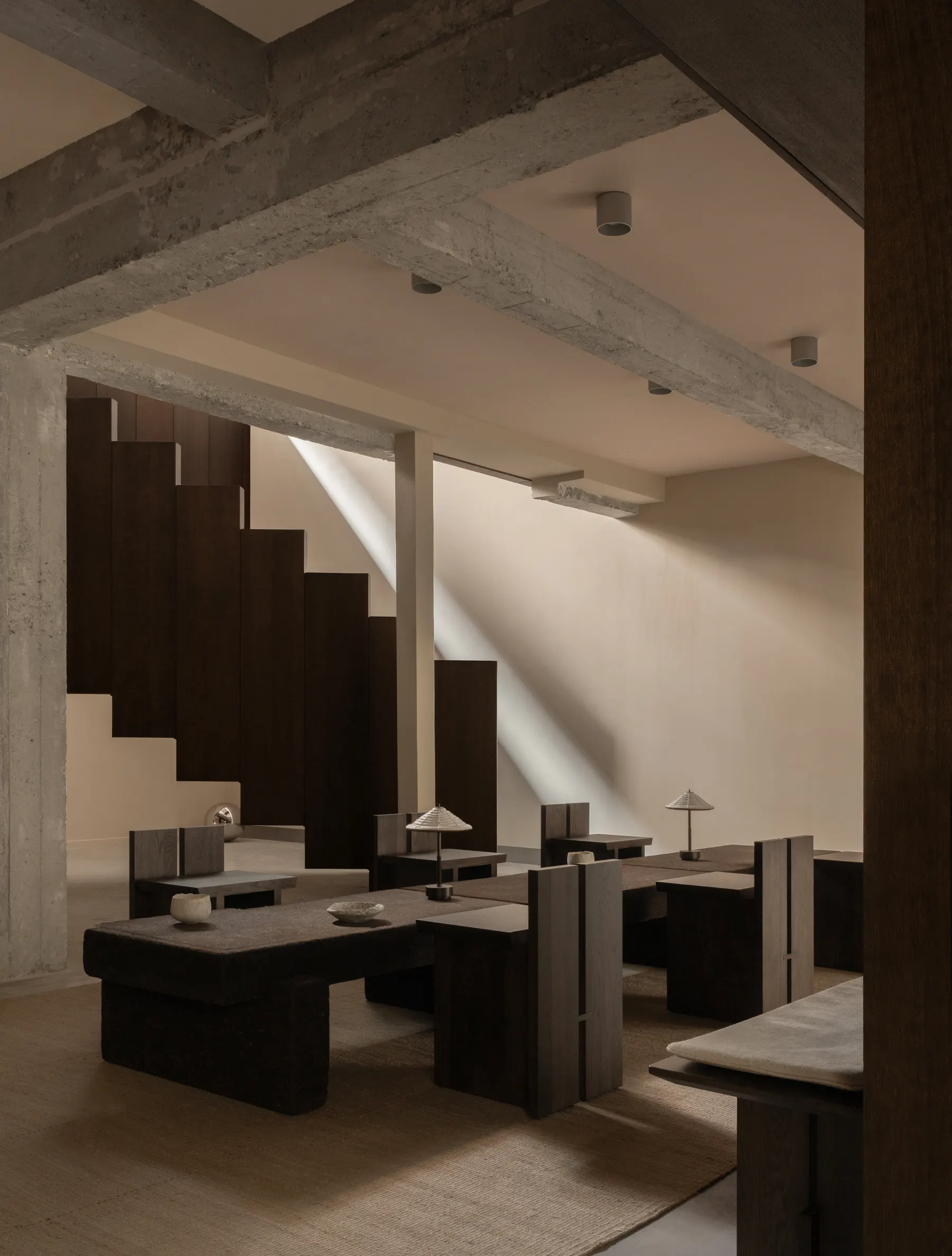
当声音成为一种"存在"
LISTENING IS A WAY OF INHABITING
在 CASE 13 正式成为 Karimoku Case 项目之前,这个空间已经在 2026 年哥本哈根 3daysofdesign 期间,以另一种方式被打开。Karimoku Case 与 Dynaudio 在这里呈现了展览:"A Moving Presence"。
Before becoming CASE 13, the space had already been introduced during 3daysofdesign 2026 through an exhibition titled "A Moving Presence."
这个名字很有意思。它没有直接谈 Sound,而是 Presence——存在。
The choice of words is revealing. Not simply sound. Presence.
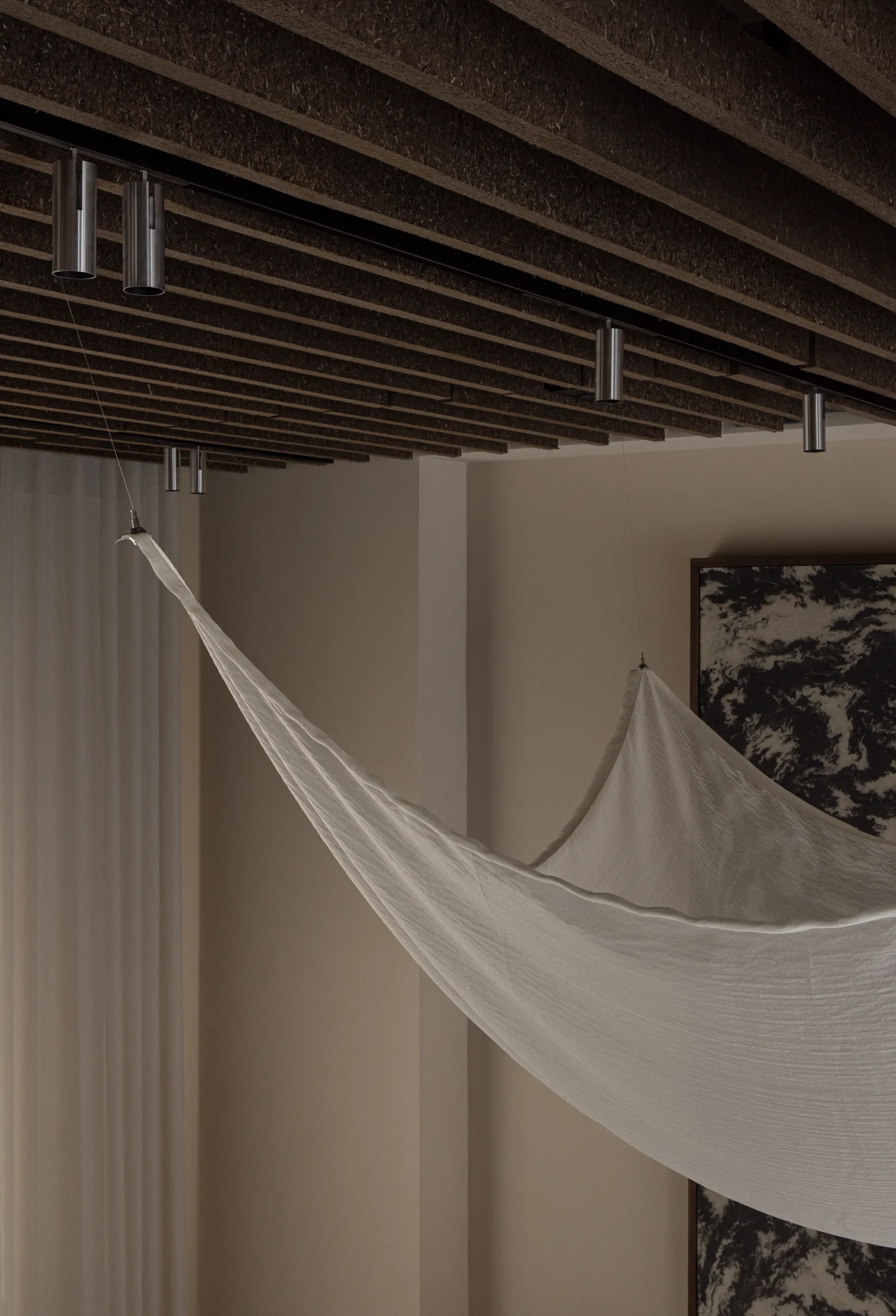
展览关注的不是简单地把家具与音响放在同一个房间,而是探索家具、光线、声学与木材之间如何彼此作用,让一个空间成为完整而有意识的感官经验。
The project explored how furniture, light, acoustics and tactile materials might resonate together rather than exist as independent layers within a room.
声音本身没有固定形状。但声音会让空间发生变化。
Sound itself has no fixed shape. Yet it changes the shape of experience.
一个音符经过不同的材料,会产生不同的反射与吸收;相同的一段音乐,在一个空旷房间与一个充满木材、织物和家具的空间里,也会呈现完全不同的身体感受。
A note behaves differently against timber, textile, concrete or glass. The same piece of music can feel entirely different depending on the surfaces, objects and bodies surrounding it.
因此,CASE 13 所讨论的"声音",其实已经超出了音响本身。声音变成了建筑的一部分。甚至成为空间氛围的一部分。看不见,却真实存在。
In CASE 13, sound therefore becomes something larger than audio. It becomes part of the architecture. Part of the atmosphere. Invisible, yet undeniably present.
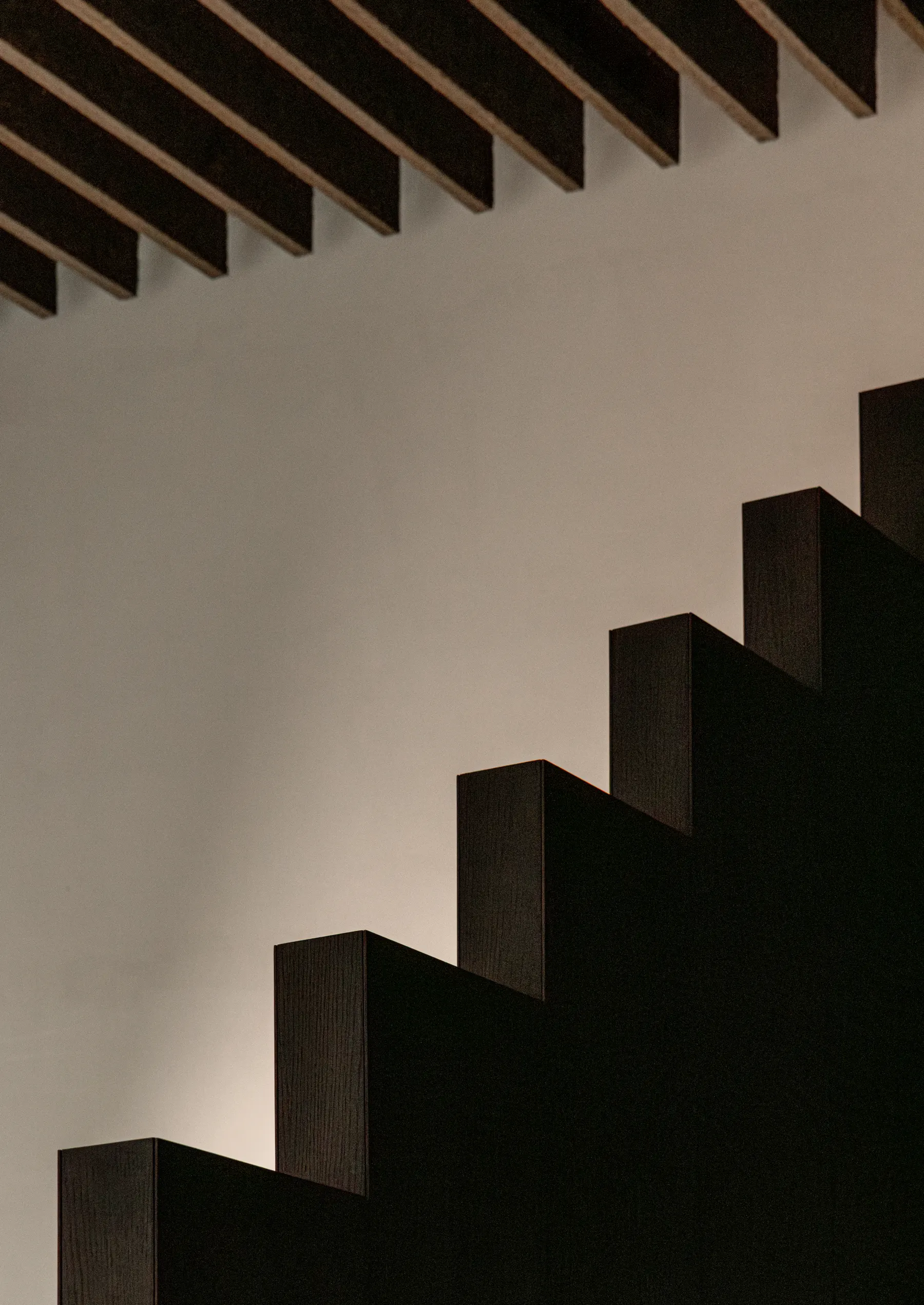
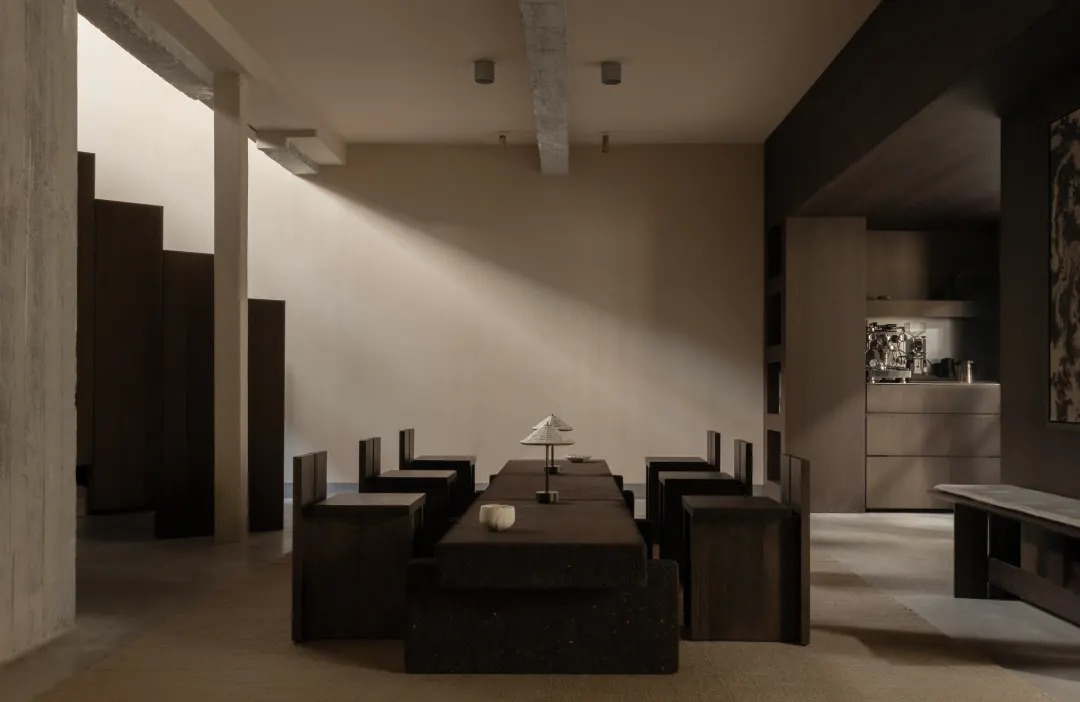
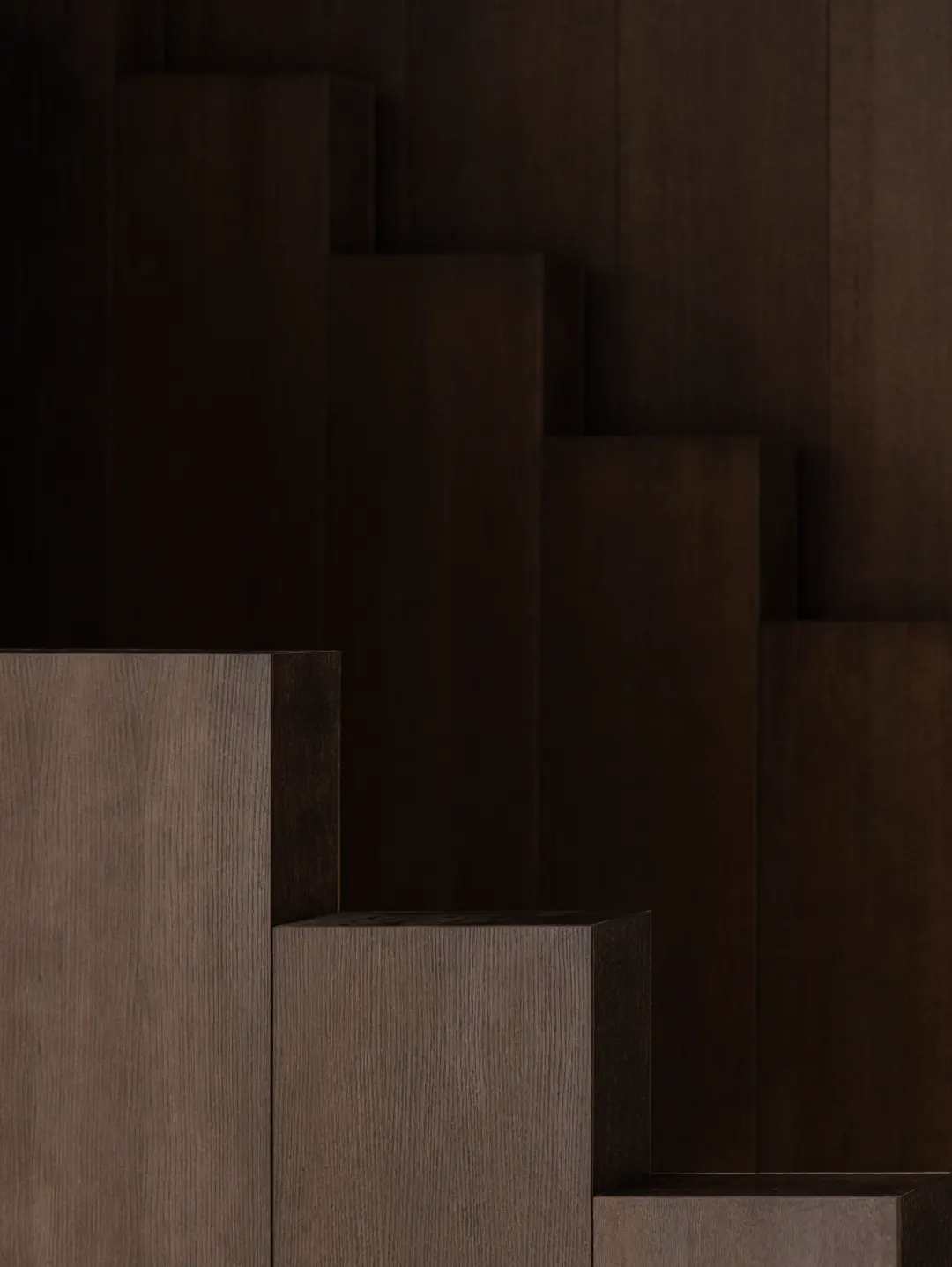
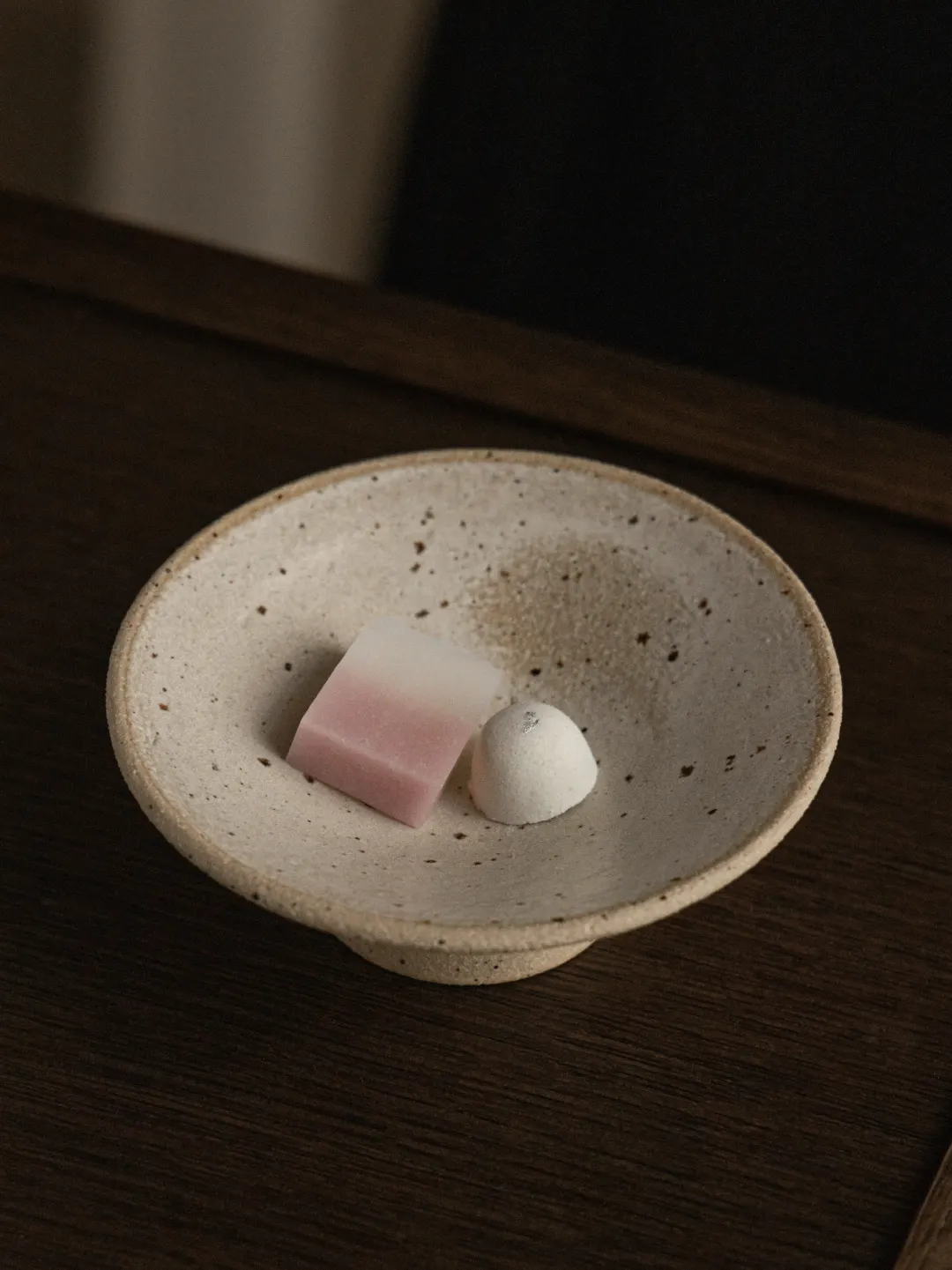
当不同的手艺,共同构成一处空间
The Harmony of Different Crafts
一处令人感到舒适的空间,很少由某一件家具独自完成。它更像是一种缓慢形成的平衡。
A comfortable space is rarely created by a single piece of furniture. It is more often the result of a balance that develops gradually between different objects, materials and experiences.
在「御宿 MAS」中,来自日本各地的品牌与创作者,将不同的制造传统带入同一个空间。
At Oyado MAS, makers from across Japan bring their distinct traditions into a shared environment.
NEW LIGHT POTTERY 的照明,以克制的造型回应光与材质之间的关系。来自佐贺的名尾手漉和纸,将延续数百年的手工造纸传统转化为当代生活中的细腻表达;SEKISAKA 的漆艺与日常器物,让日本制造经验进入餐桌与日常使用。sheep 的香氛蜡烛、sinso 的寝具,以及日本草木研究所从森林植物中汲取灵感的茶饮,则进一步将触觉、嗅觉与味觉引入空间。
Lighting by NEW LIGHT POTTERY explores the relationship between light and material through restrained forms. Nao's handmade washi from Saga brings the enduring tradition of Japanese papermaking into contemporary life. SEKISAKA's lacquerware and everyday objects introduce Japanese craftsmanship to the dining table. Scented candles by sheep, bedding by sinso and tea inspired by forest plants from Japan's Botanical Lifestyle Research Institute extend the experience further, bringing touch, smell and taste into the space.
它们并不需要拥有相同的形式语言。真正使这些作品彼此协调的,是对材料的尊重、对使用体验的关注,以及不刻意争夺注意力的表达方式。家具不再是唯一的主角。它与光、纸、织物和器物共同存在,构成一种安静而完整的生活景象。
These objects do not need to share the same visual language. What connects them is a respect for materials, an attention to how things are used, and an expression that does not compete for attention. Furniture is no longer the sole focus. Together with light, paper, textiles and everyday objects, it becomes part of a quiet and considered vision of living.
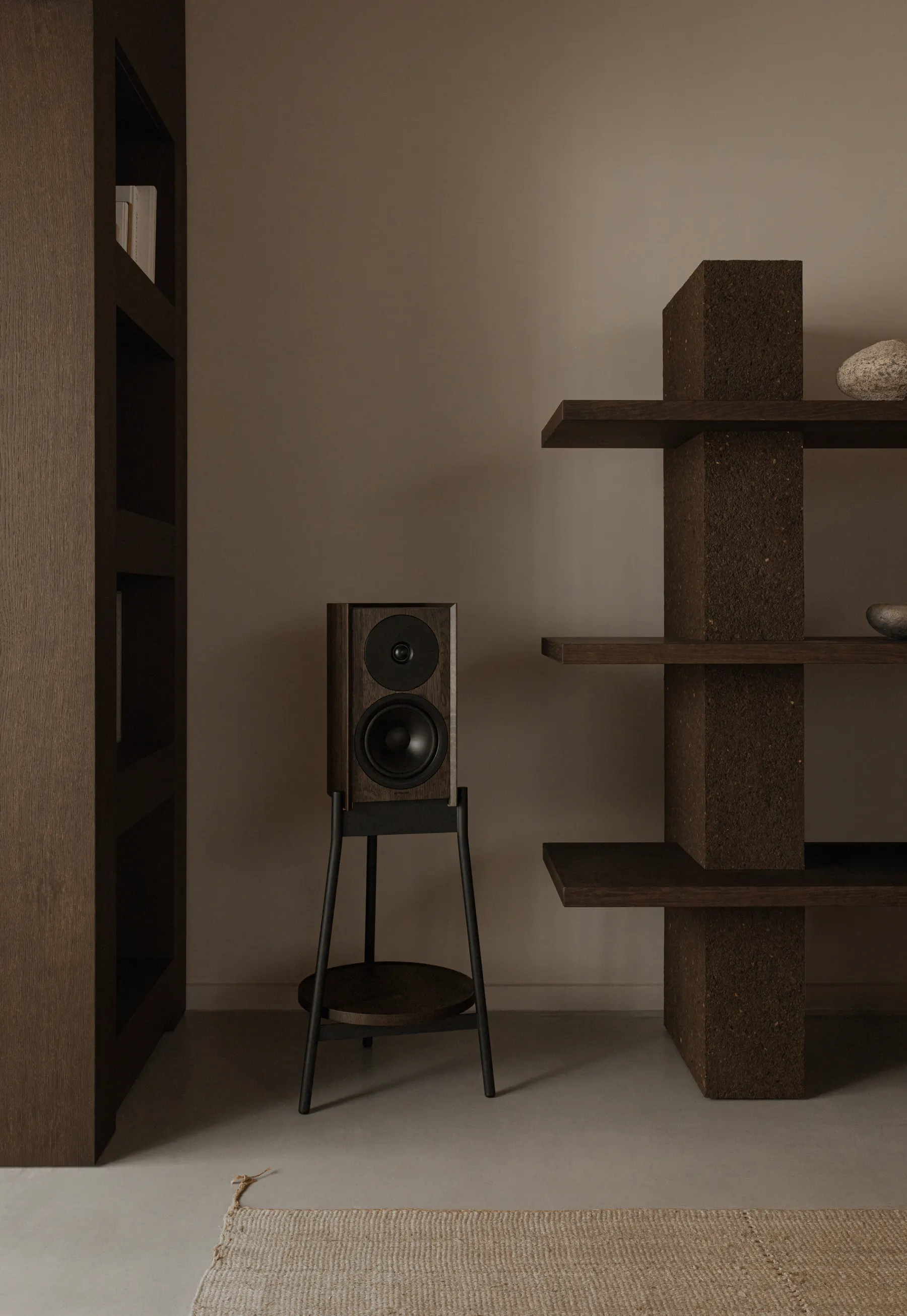
当两种"精确"相遇
PRECISION MEETS PRECISION
表面上,Dynaudio 与可丽木酷属于完全不同的行业。一个研究声音。一个研究木材。
At first glance, Dynaudio and Karimoku belong to entirely different disciplines. One works with sound. The other with wood.
Dynaudio 所追求的精确存在于驱动单元、声学工程、数字算法与声音控制之中。而可丽木酷七十余年来积累的精确,则存在于另一种尺度里:如何选择和理解木材,如何加工复杂的曲面,如何处理接合,以及如何让机械加工的稳定性与人的手工判断共同作用。
Dynaudio's precision exists in acoustic engineering, drivers, amplification and digital processing. Karimoku's precision has been developed through decades of understanding timber, machining complex forms, refining joinery and balancing industrial accuracy with human judgement.
但当两种制造文化进入同一个空间,我们会发现,它们所追求的其实非常接近。Norm Architects 在 CASE 13 中也将双方的共同点落在了同一个关键词上:对精确与材料真实性的持续关注。
Dynaudio 通过工程不断修正声音。Karimoku 则以同样的纪律面对木材。
Yet within the same room, their similarities become more apparent than their differences. Both are concerned with precision and material integrity. One discipline refines sound. The other refines wood.
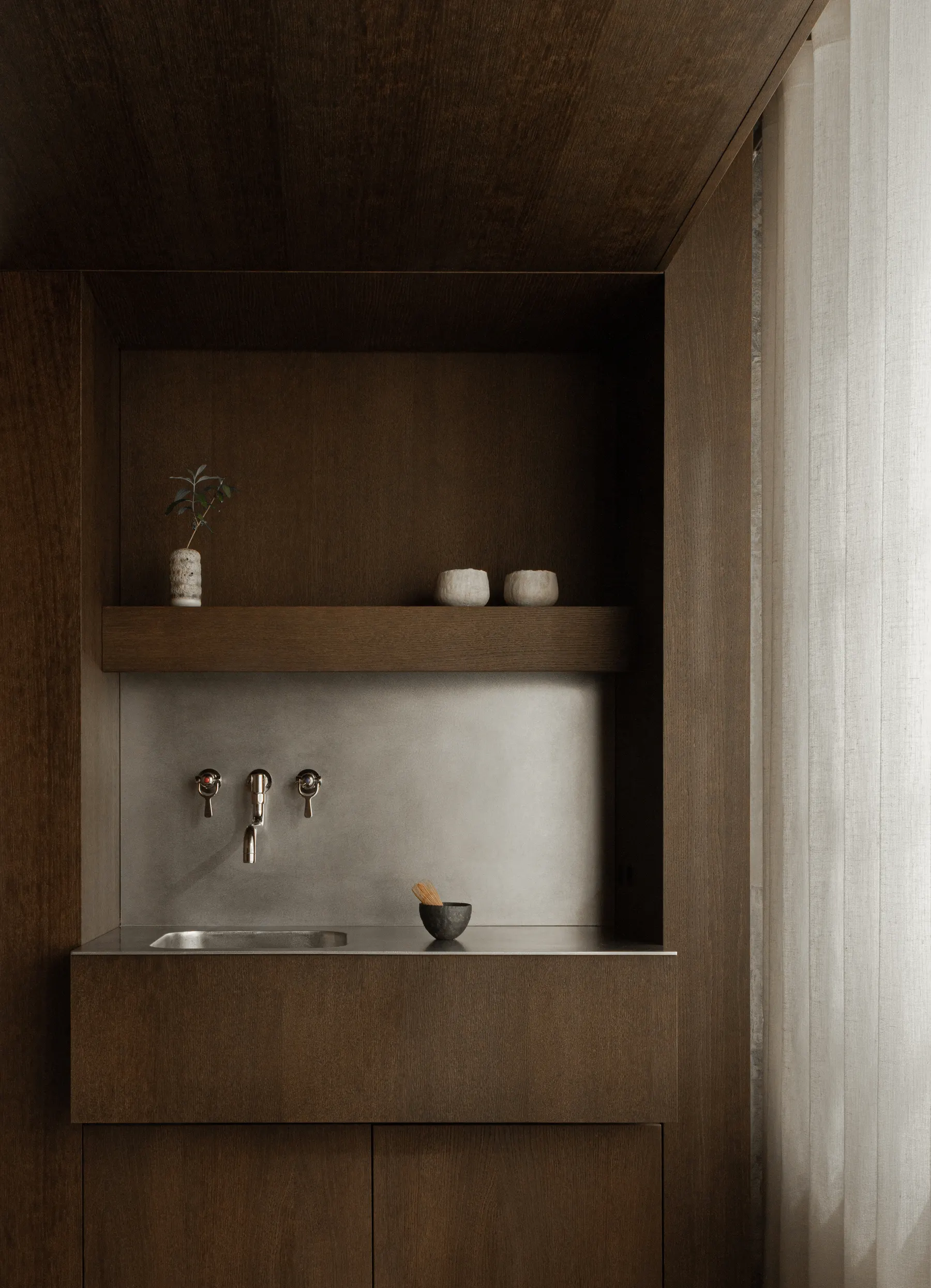
真正高级的技术,往往不会不断强调自己的存在。它最终呈现出来的,反而是一种自然。我们不会坐在一把椅子上不断想到它的加工公差,也不会在聆听音乐时持续意识到背后的算法。当所有复杂性都被处理得足够准确之后,人最终感受到的,只剩下舒适、平衡与从容。
And when complexity has been resolved with sufficient care, technology no longer needs to announce itself. We do not sit on a chair thinking about machining tolerances, just as we do not listen to music while consciously following an algorithm. What remains is ease, balance and clarity.
一种精确作用于声音。一种精确作用于木材。最后,它们都作用于人的感受。
In the end, both forms of precision are concerned with the same thing: the precision of experience.
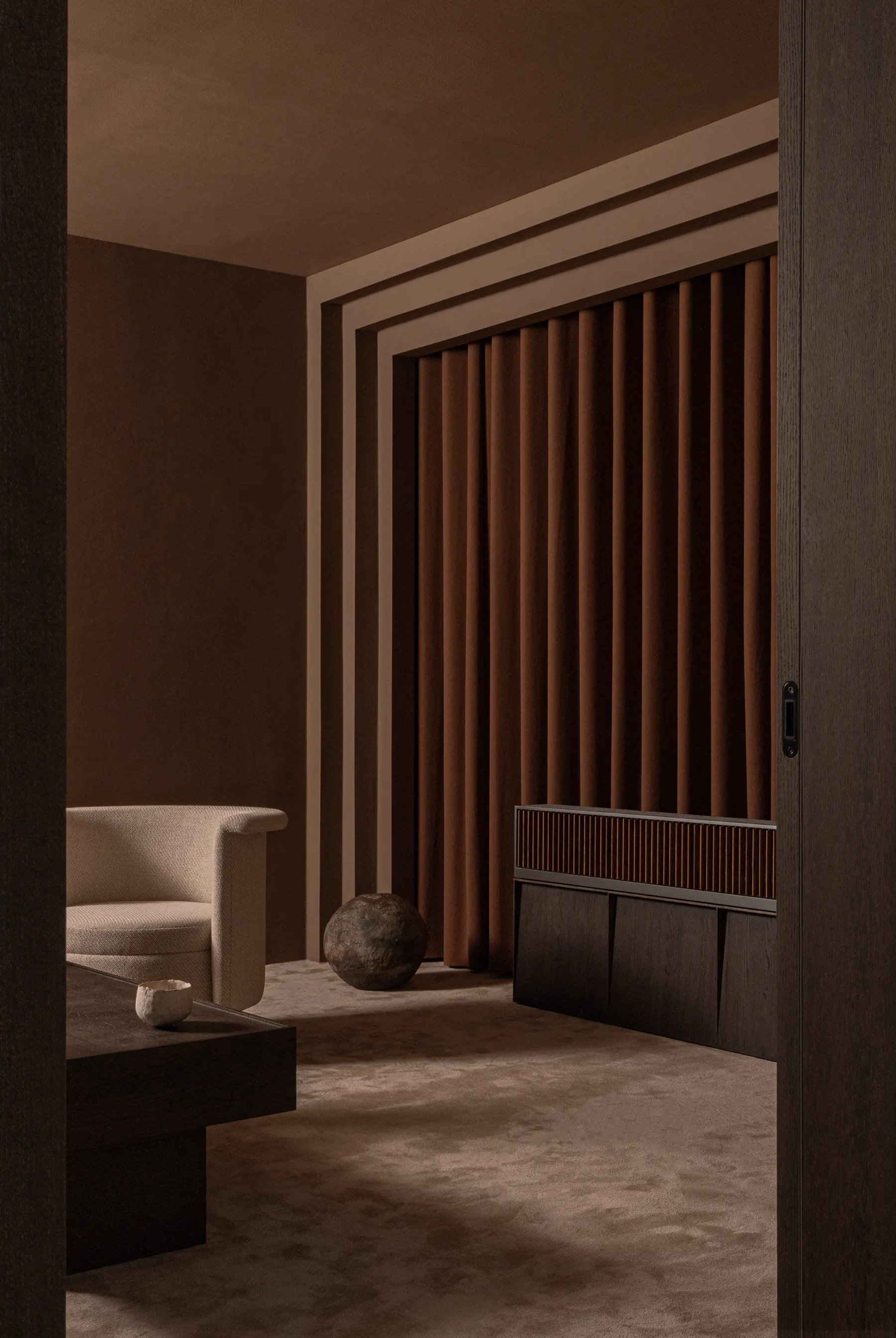
家具,不是被放进空间里的
BORN FROM THE ROOM
理解 CASE 13,还需要回到 Karimoku Case 最基本的方法。Karimoku Case 从来不是先完成一套家具,然后寻找一个漂亮的建筑,将产品放进去拍摄。
To understand CASE 13, it is necessary to return to the fundamental method of Karimoku Case. The collection does not begin with isolated furniture that is later placed into an attractive interior.
它的顺序恰好相反。先有空间。再有问题。最后才产生家具。
The sequence is reversed. First comes the space. Then the questions. Only then does the furniture emerge.
"从空间出发思考家具",意味着设计师首先需要理解一栋建筑真实存在的尺度、用途、人的移动方式以及空间所需要的氛围。
To design furniture from the perspective of architecture means understanding real dimensions, movement, function and atmosphere before defining the object itself.
家具因此不是后来加入建筑的装饰。它原本就是建筑关系的一部分。CASE 13 延续了这一方法。
Furniture is therefore not decoration added to architecture afterwards. It belongs to the architectural relationship from the beginning. CASE 13 continues this method.
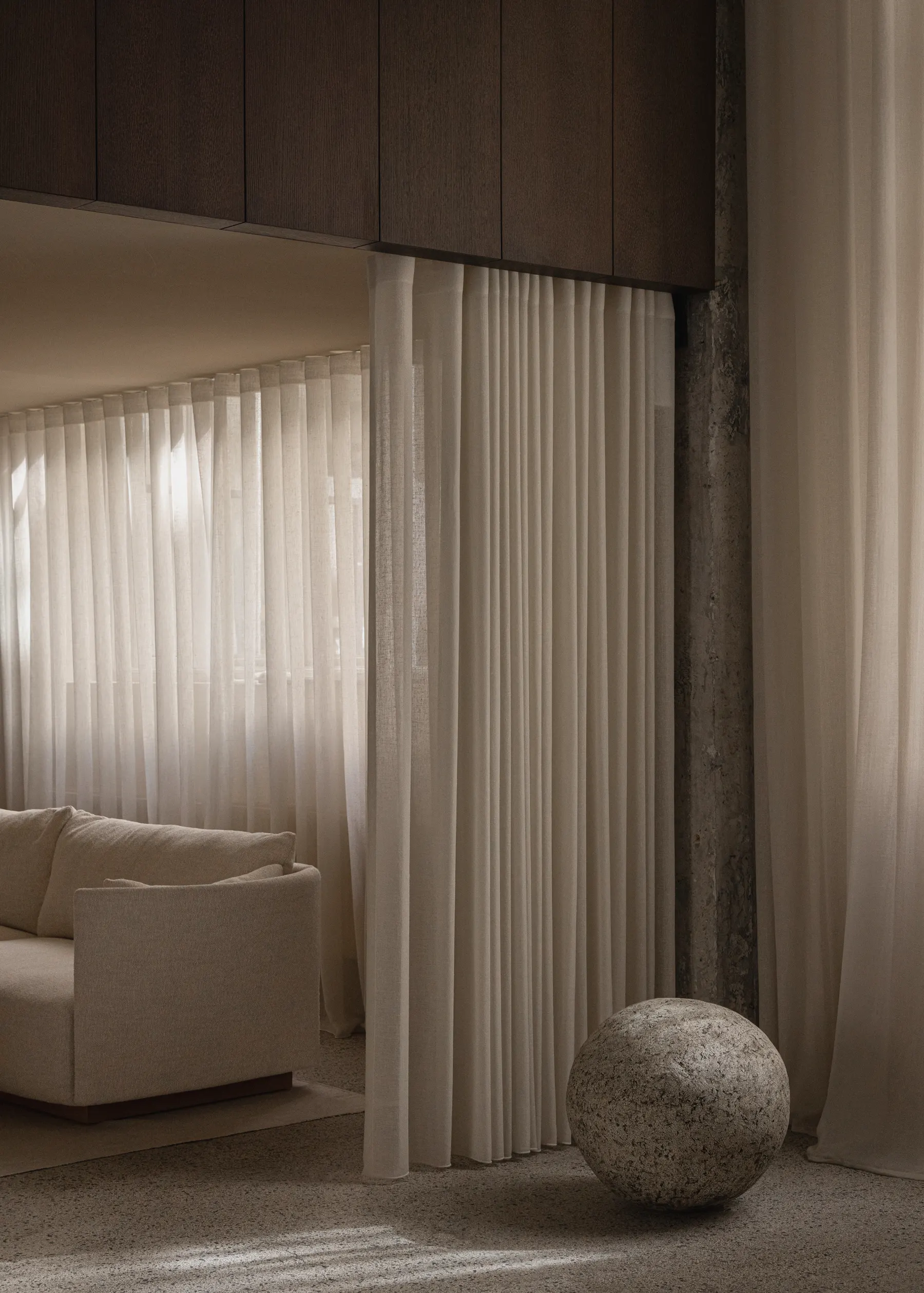
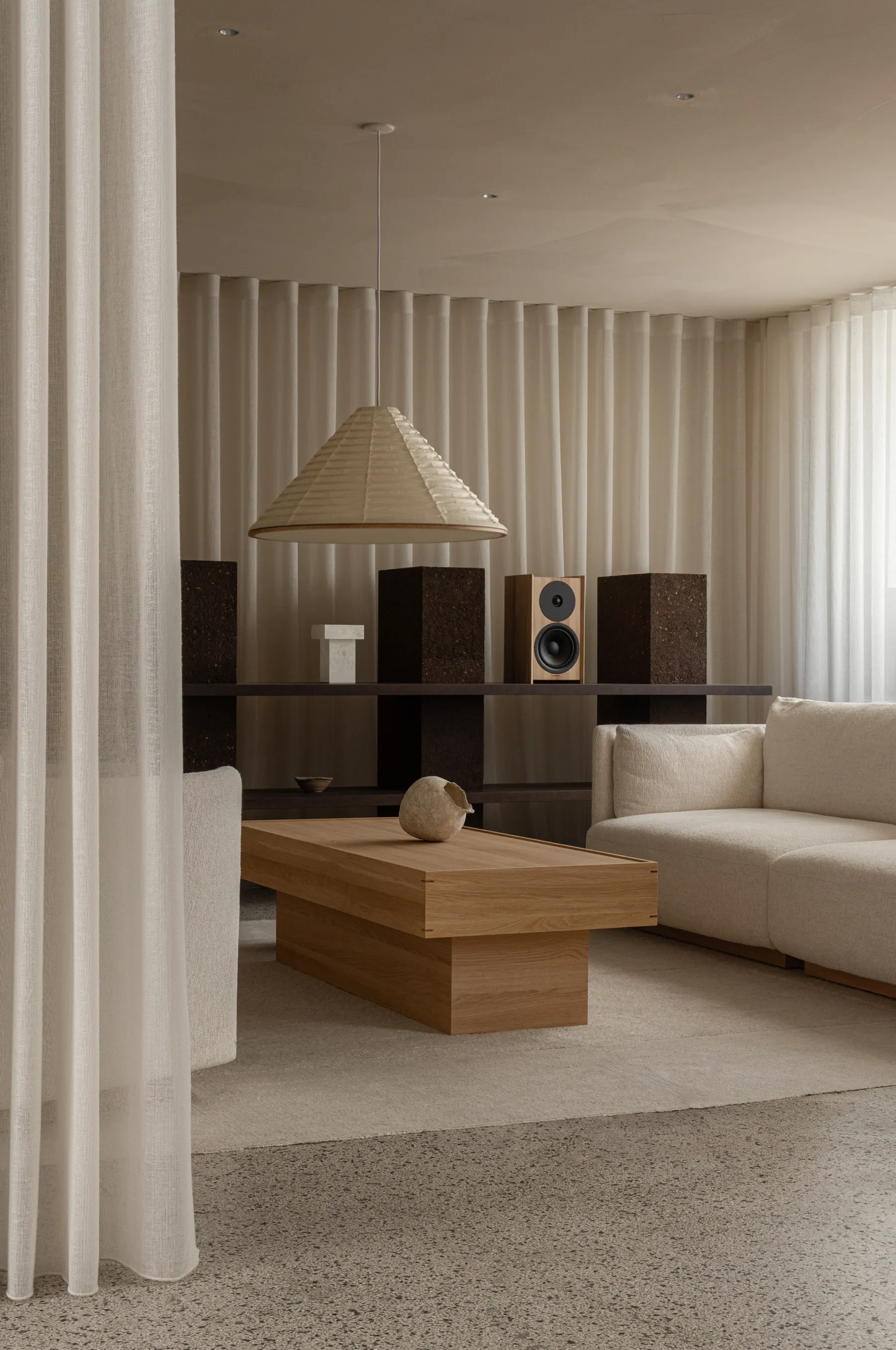
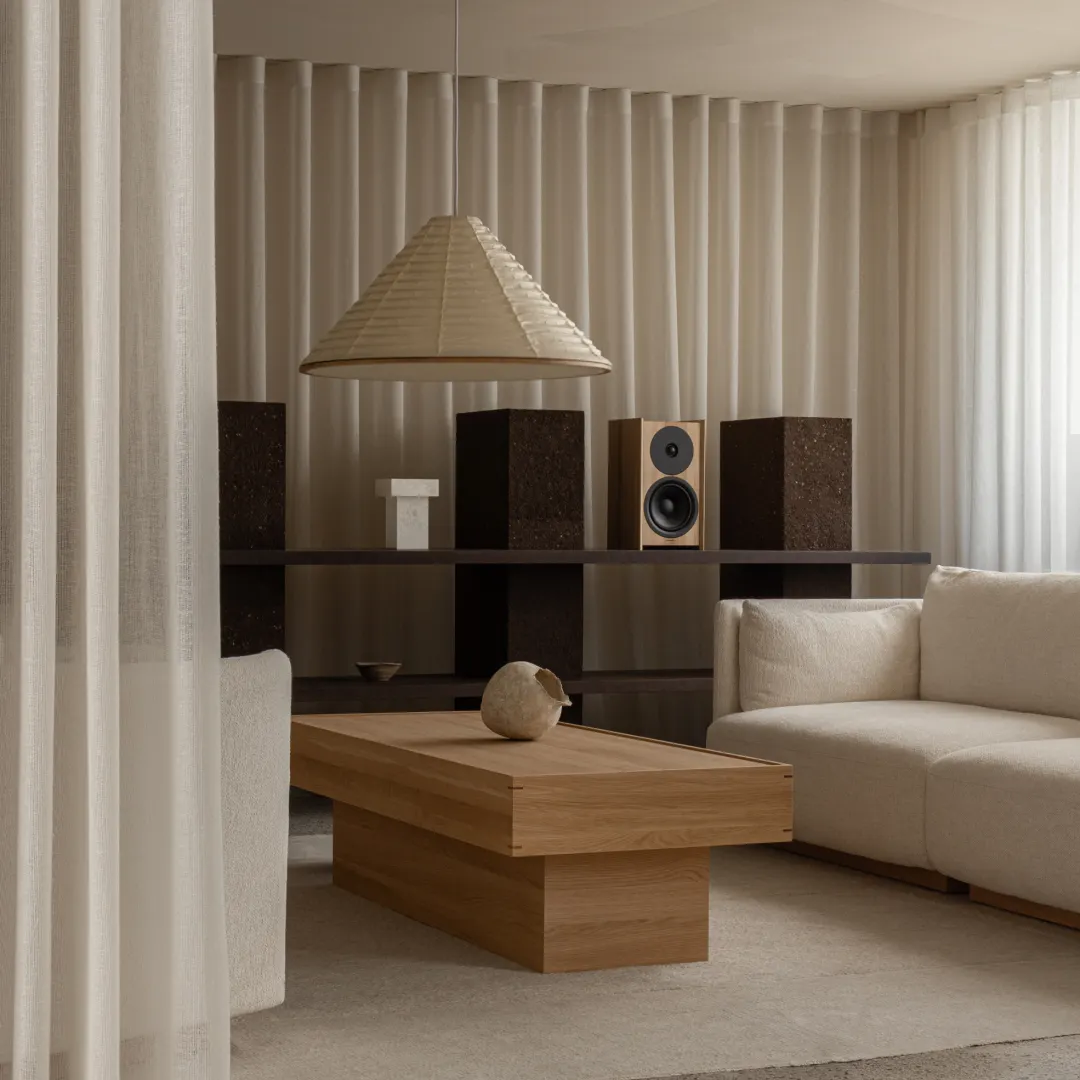
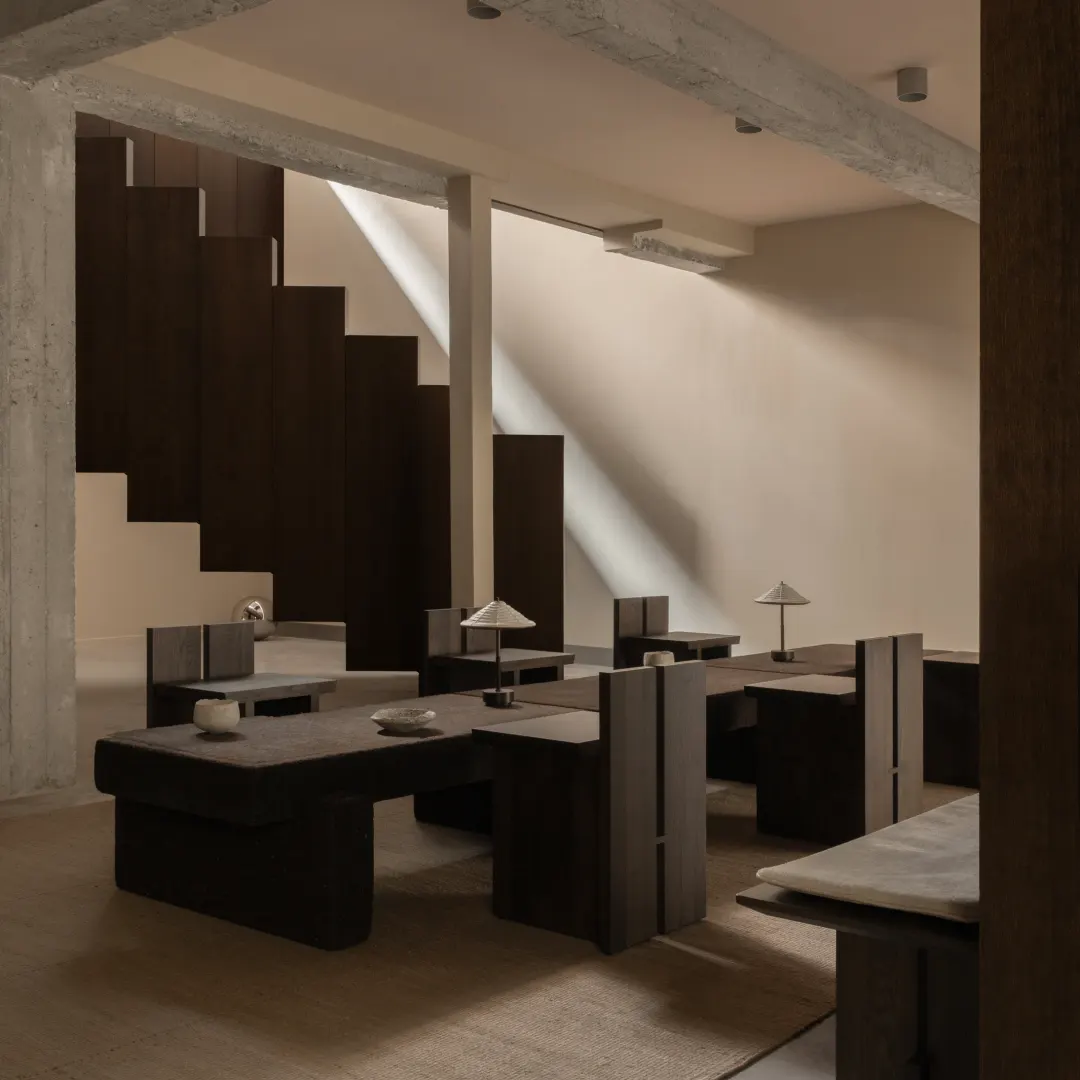
除了既有的 Karimoku Case Collection,Norm Architects 也专门为 Dynaudio Lounge 设计了新的 Sofa、Coffee Table 与 Stool。三件家具首先回应这里的真实使用场景,随后再被计划纳入 Karimoku Case 的正式 Collection,于 2026 年冬季起陆续推出。这是 Karimoku Case 与很多家具品牌最根本的差异之一。
Alongside existing pieces from the Karimoku Case Collection, Norm Architects developed a new sofa, coffee table and stool specifically for Dynaudio Lounge.
产品不是故事的起点。空间才是。
因此,我们或许不应该说:Karimoku Case 把家具放进建筑。更准确的说法是:Karimoku Case 让家具从建筑之中生长出来。
The product is not the beginning of the story. The room is. Karimoku Case does not simply place furniture into architecture. It allows furniture to grow from architecture.
从空间中生长出的三件家具
THREE OBJECTS, ONE LANGUAGE
CASE 13 的三件新作并不试图用强烈造型争夺注意力。它们更像三个对空间提出的问题所做出的回应。
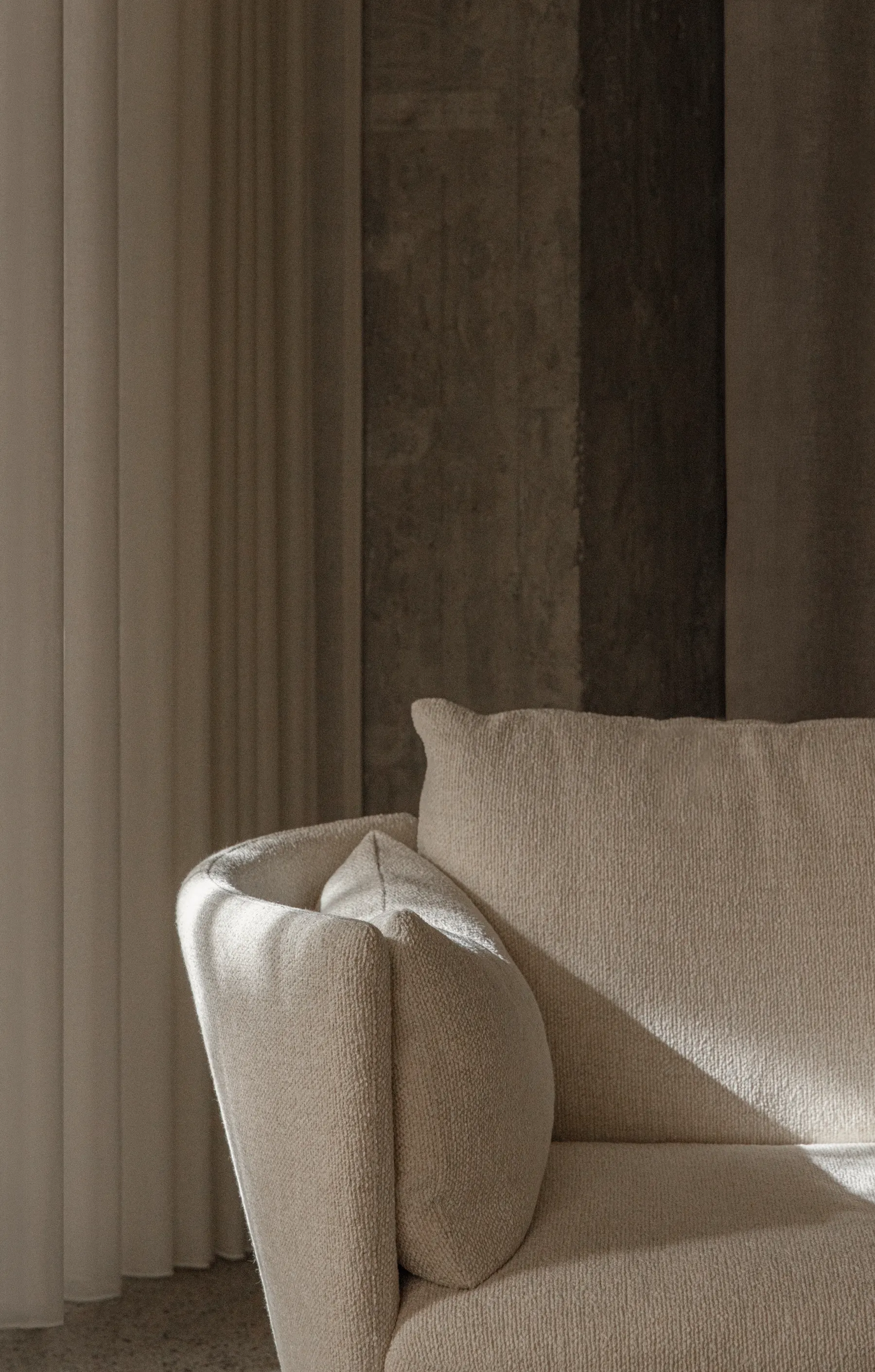
首先是 Sofa。它的实木基座延续了 N-S02 Modular Sofa 的部分设计语言,却进一步削减了视觉元素。宽厚的座垫、靠背与扶手形成近乎连续的软包体量,较深的座深鼓励身体真正放松下来;与此同时,底部清晰的实木结构将整个柔软体量轻轻托离地面。
于是,一件视觉上十分厚实的沙发,并没有沉重地压在空间里。软包的重量感与木结构的建筑感彼此制衡。厚重,却并不迟钝;安静,却仍然有力量。
The new sofa develops elements of the N-S02 Modular Sofa into an even more reduced expression. Its generous seat, back and armrests form a continuous upholstered volume, inviting the body into a deeper and more relaxed posture. Below, a clearly articulated solid-wood base lifts this softness slightly away from the floor. The result is a carefully controlled tension. Weight without heaviness. Softness supported by architectural clarity.
Coffee Table 则从 N-CT02 的语言继续向外延伸。矩形比例变得更加舒展,桌面的边缘略微向上抬起,形成一个近似托盘的轮廓。
这里有一个很典型的 Karimoku Case 细节:连接并没有被完全隐藏。四角的接合被保留下来,让结构本身成为视觉秩序的一部分。
这是一种很克制的表达。家具没有额外增加"装饰"。制造方法本身,就是装饰。当结构足够清晰,细节便不需要被添加。它只需要被看见。
The coffee table extends the language of the N-CT02 into a longer, more generous proportion. A subtly raised edge gives the top an almost tray-like character, while exposed corner joints quietly reveal the logic of its construction. Nothing has been added simply for decoration. Instead, the way the object is made becomes part of the way it is seen. When structure is clear enough, detail does not need to be invented. It only needs to be revealed.
三件新作中,Stool 或许最直接体现了这种思考。两片分离的实木靠背、经过面取处理的座面,以及不断重复出现的垂直木构件,让一件尺度不大的家具产生了非常明确的建筑节奏。
尤其值得注意的是靠背之间的连接。设计师没有试图把它完全隐藏。相反,接合关系被主动保留下来。这其实是一个很简单,却很重要的态度:一件家具如何被制造,不应该成为需要被掩饰的秘密。当结构本身足够诚实,它甚至可以成为设计的一部分。
于是,"工艺"不再是家具完成之后附加上去的价值描述。它已经成为形式本身。
The stool perhaps expresses this attitude most directly. Its divided solid-wood backrest, chamfered seat and repeated vertical elements create an architectural rhythm at a remarkably small scale. Most importantly, its construction is not concealed. The joints connecting the back panels remain deliberately visible. This reflects a simple but meaningful principle: the making of furniture does not need to become a hidden secret. When construction is sufficiently honest, it can become part of the design itself. Craftsmanship is no longer something described after the object is complete. It is already present in the form.
当技术开始学习家具的语言
OPUS ONE
CASE 13 中,还有一件物品很难被简单归类。它来自 Dynaudio,却同样与 Karimoku 密切相关:Opus One。
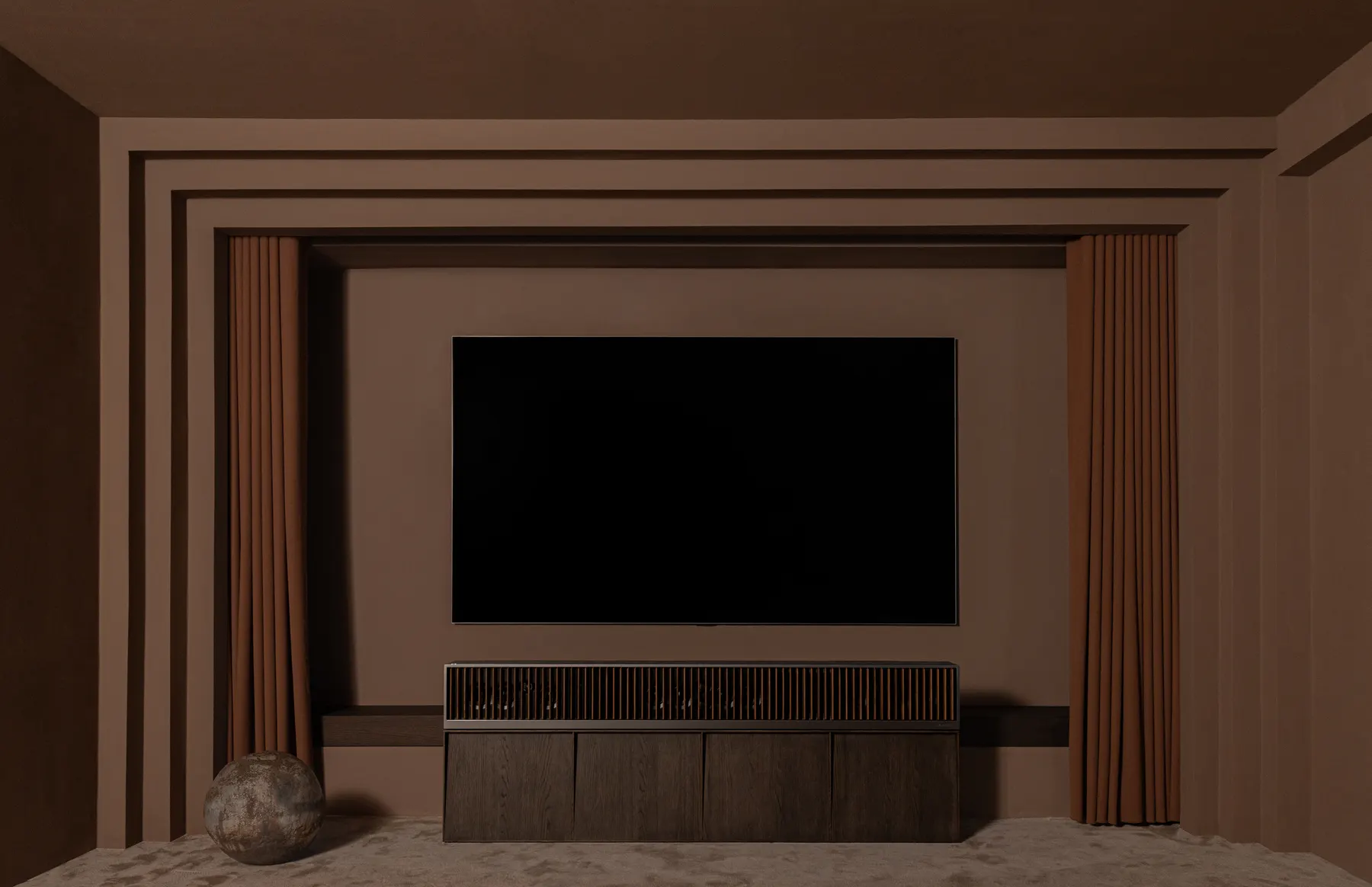
从技术上看,它是一套高度复杂的沉浸式声音系统。内部拥有 24 个驱动单元,由最高输出 1500W 的数字放大系统驱动,并通过 Dynaudio 自身的空间音频算法对声音进行处理。
There is one object within CASE 13 that resists simple classification. Dynaudio's Opus One is, technically, an extraordinarily sophisticated audio system: 24 drivers, powerful digital amplification and spatial processing developed to create an immersive sound field.
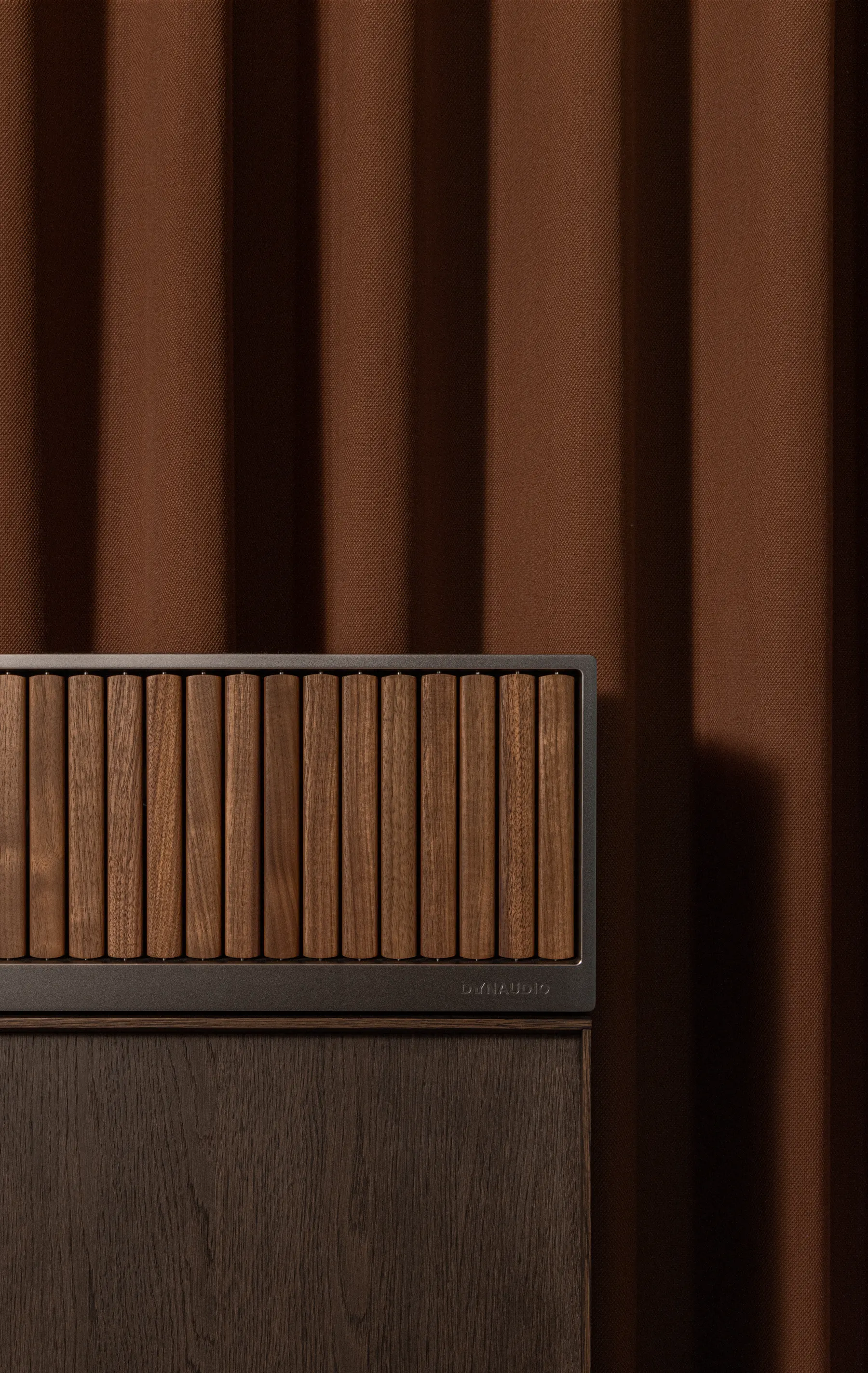
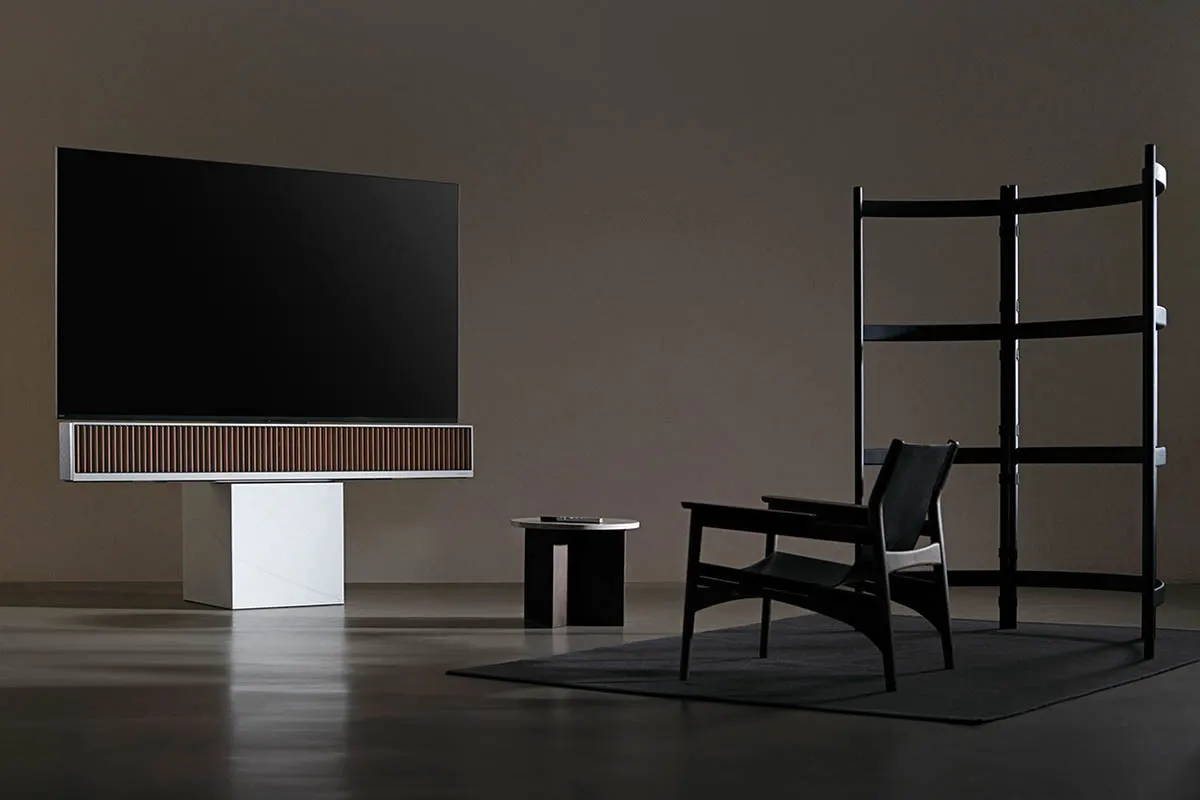
Photo From audioxpress.com
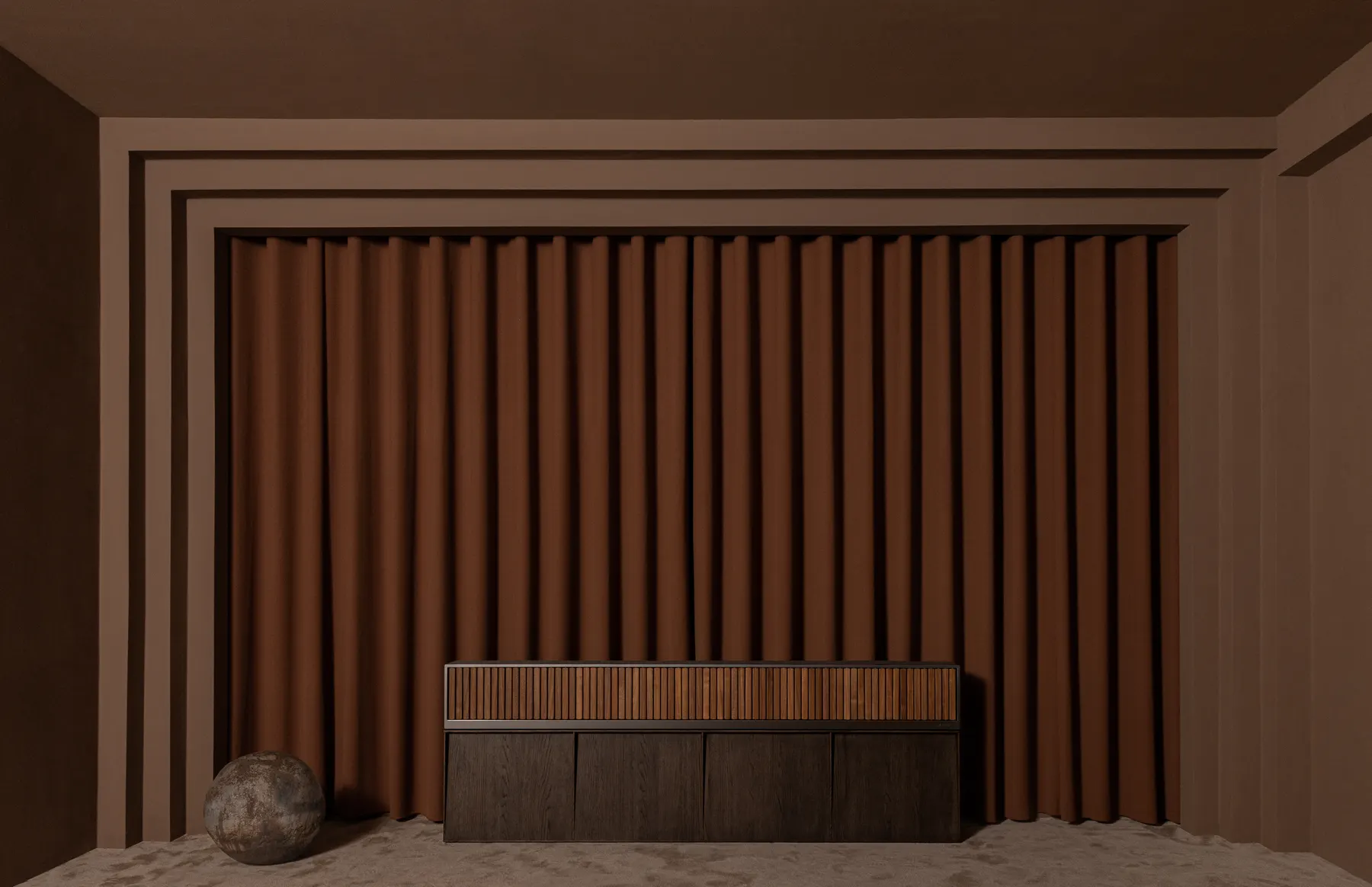
但如果只从参数理解它,就会错过这件产品最有意思的部分。它的正面覆盖着 72 片由可丽木酷在日本制作的木质活动鳍片。这些木片不是静止的装饰。它们会随着人的操作以及声音状态发生移动。
声音原本看不见。但在这里,它开始产生视觉反馈。木材成为技术与人的感知之间的一层媒介。
于是,一件通常被理解为"电子设备"的物品,开始同时接近家具、木工与动态雕塑。
Yet its most distinctive character is visible before any specification is understood. Across its front sit 72 kinetic wooden fins handcrafted by Karimoku in Japan. They move. They respond. An invisible medium begins to acquire a visual presence. Wood becomes the interface between technology and human perception. What would ordinarily be classified as electronic equipment begins to approach furniture, craftsmanship and kinetic sculpture at the same time.
这是 CASE 13 中非常重要的一个转折。过去,我们常常思考:怎样让音响更自然地进入室内?怎样隐藏线材?怎样减少机器感?怎样让技术不要破坏空间?
This marks an important shift within CASE 13. For a long time, the question has been how audio technology might enter the interior more naturally. How can cables be concealed? How can the sense of machinery be reduced? How can technology exist without disrupting the atmosphere of a space?
但 Opus One 提出了一个不同的问题:为什么技术一定要被隐藏?如果技术也愿意学习材料、比例与家具的语言,它是否可以主动成为空间的一部分?这也是今天越来越值得思考的问题。
Opus One proposes a different question: Why must technology always be hidden? If technology can learn from the language of material, proportion and furniture, could it instead become an active part of the interior itself? This is an increasingly relevant question today.
真正成熟的科技产品,或许不应该要求生活不断向技术妥协。相反,技术应该逐渐学会理解生活。
Mature technology may not require everyday life to adapt around it. Perhaps technology itself should learn how to inhabit life.
当整个房间成为一件乐器
THE ROOM AS AN INSTRUMENT
从住宅,到餐厅、酒店、零售空间,再到今天的 Dynaudio Lounge,Karimoku Case 的每一个 CASE 都在回答不同的空间问题。而 CASE 13 的特殊之处,在于它让一个看不见的元素第一次如此明确地进入家具设计的逻辑。
From residences to restaurants, hotels and retail environments, and now to Dynaudio Lounge, each Karimoku Case project begins by responding to a different spatial condition. What makes CASE 13 distinctive is that, for the first time, an invisible element enters the logic of furniture design with such clarity.
声音。它让我们重新意识到:一个空间从来不只是由"看得见的东西"组成。
建筑决定边界。家具决定人与空间的距离。光线改变材料。织物改变触感。而声音,则重新定义了空间如何被身体感知。
Sound. It reminds us that a space is never composed only of what can be seen. Architecture defines boundaries. Furniture determines the distance between people and space. Light transforms material. Textiles shape the sense of touch. And sound redefines the way a room is perceived by the body.
所以 CASE 13 真正有意思的地方,并不是 Dynaudio 与 Karimoku Case 共同出现在了一间漂亮的哥本哈根空间里。也不是丹麦设计与日本制造再次相遇。这些都只是表层。
更重要的是,它将 Karimoku Case 一直坚持的命题向前推进了一步:从空间出发思考家具,究竟意味着什么?它意味着家具设计不能只考虑家具本身。
This is why the significance of CASE 13 lies not simply in the fact that Dynaudio and Karimoku Case share a beautifully designed space in Copenhagen. Nor is it merely another encounter between Danish design and Japanese manufacturing. These are only the visible layers. More importantly, CASE 13 pushes a question that has always been central to Karimoku Case one step further: What does it truly mean to design furniture from the perspective of space? It means that furniture cannot be considered in isolation.
一张沙发的高度,会改变听者与扬声器之间的位置关系。软包的体量,会影响空间的触感与声学。木材的存在,会改变光线,也改变声音在房间里的感受。桌子的尺度与座椅之间的距离,则决定人与人究竟是在"观看设备",还是已经开始真正生活在这个空间里。
The height of a sofa changes the relationship between the listener and the loudspeaker. The volume of upholstery influences both the tactile and acoustic character of the room. The presence of wood changes the light, and also the way sound is experienced within the space. The scale of a table and the distance between seats determine whether people remain observers of technology, or begin to truly inhabit the room.
家具、建筑、光线、声音、技术。它们最终指向的,并不是五个不同的设计对象。而是同一种体验。人的体验。
Furniture, architecture, light, sound and technology. They do not ultimately point to five separate design objects. They converge on a single experience. The human experience.
正品购买提示
Authenticity Notice
我们始终建议消费者通过正规授权渠道购买正品 Karimoku 家具。每一件正品 Karimoku,都不只是外观上的呈现,更包含品牌在木材甄选、结构设计、人体工学、涂装工艺、生产管理与售后支持上的完整标准。选择正品,是为了真正获得 Karimoku 所坚持的舒适性、工艺品质与长期使用价值。我们也希望每一位喜爱 Karimoku 的消费者,都能通过可靠渠道,购买真实、可追溯、并受到品牌体系支持的正品家具。
We always recommend purchasing authentic Karimoku furniture through authorized channels. A genuine Karimoku piece is not only defined by its appearance, but also by the brand's complete standards in wood selection, structural design, ergonomics, finishing techniques, production management, and after-sales support. Choosing an authentic product means experiencing the comfort, craftsmanship, and long-term value that Karimoku has consistently pursued. We hope every customer who appreciates Karimoku can choose a reliable channel and purchase genuine furniture that is traceable, authentic, and supported by the brand system.
产品与材料
相关产品

生活与家
相关文章
厨房与浴室
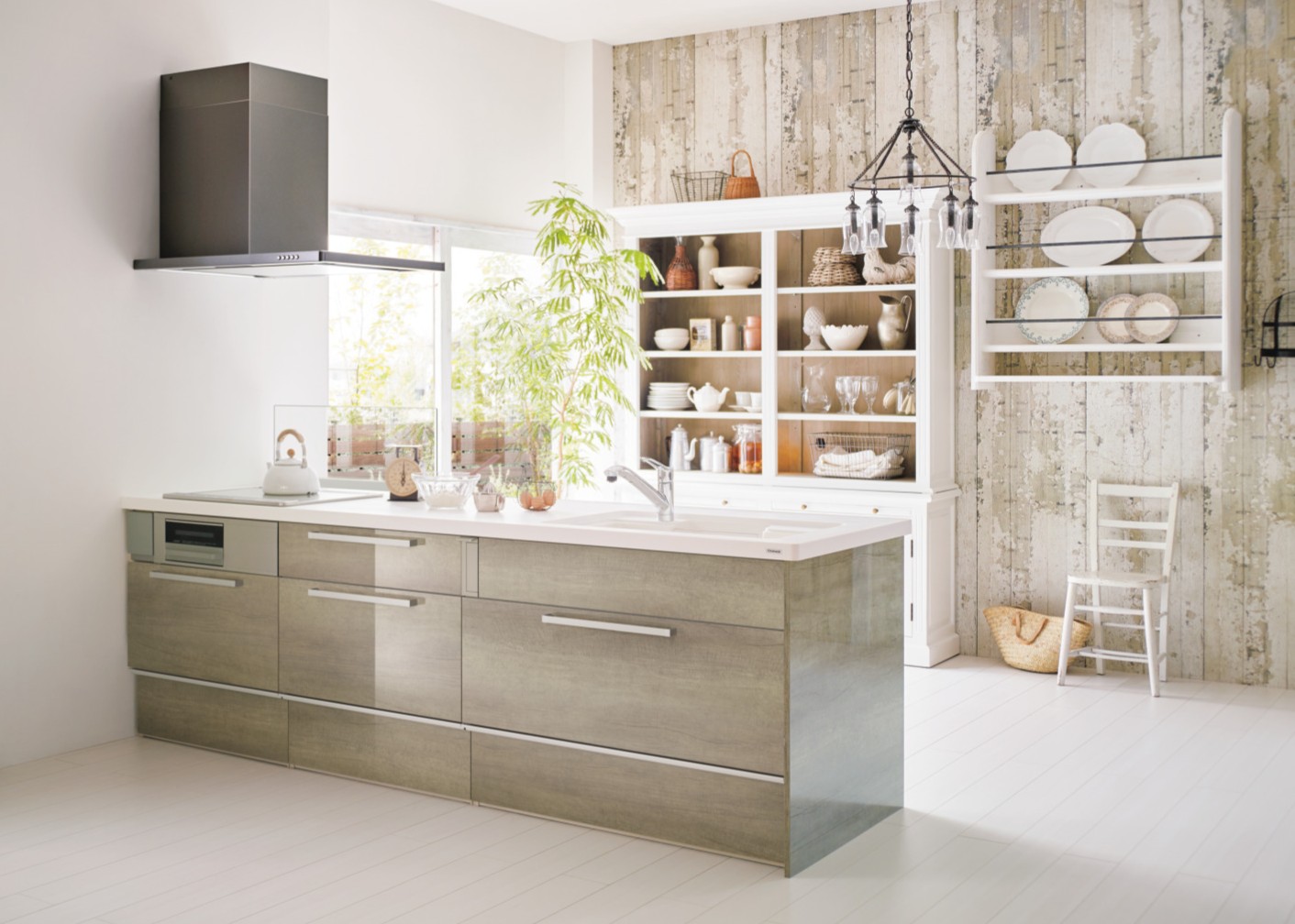
厨房整体协调:从 LDK 基调到柜门、台面与照明的选择
好看的厨房不是先挑一扇柜门,而是先让它与客餐厅、地面和日常动作建立关系。按空间基调、主体材料、设备细部、收纳与光线逐层确认,才能把喜欢的风格落到能长期使用的方案上。
厨房与浴室
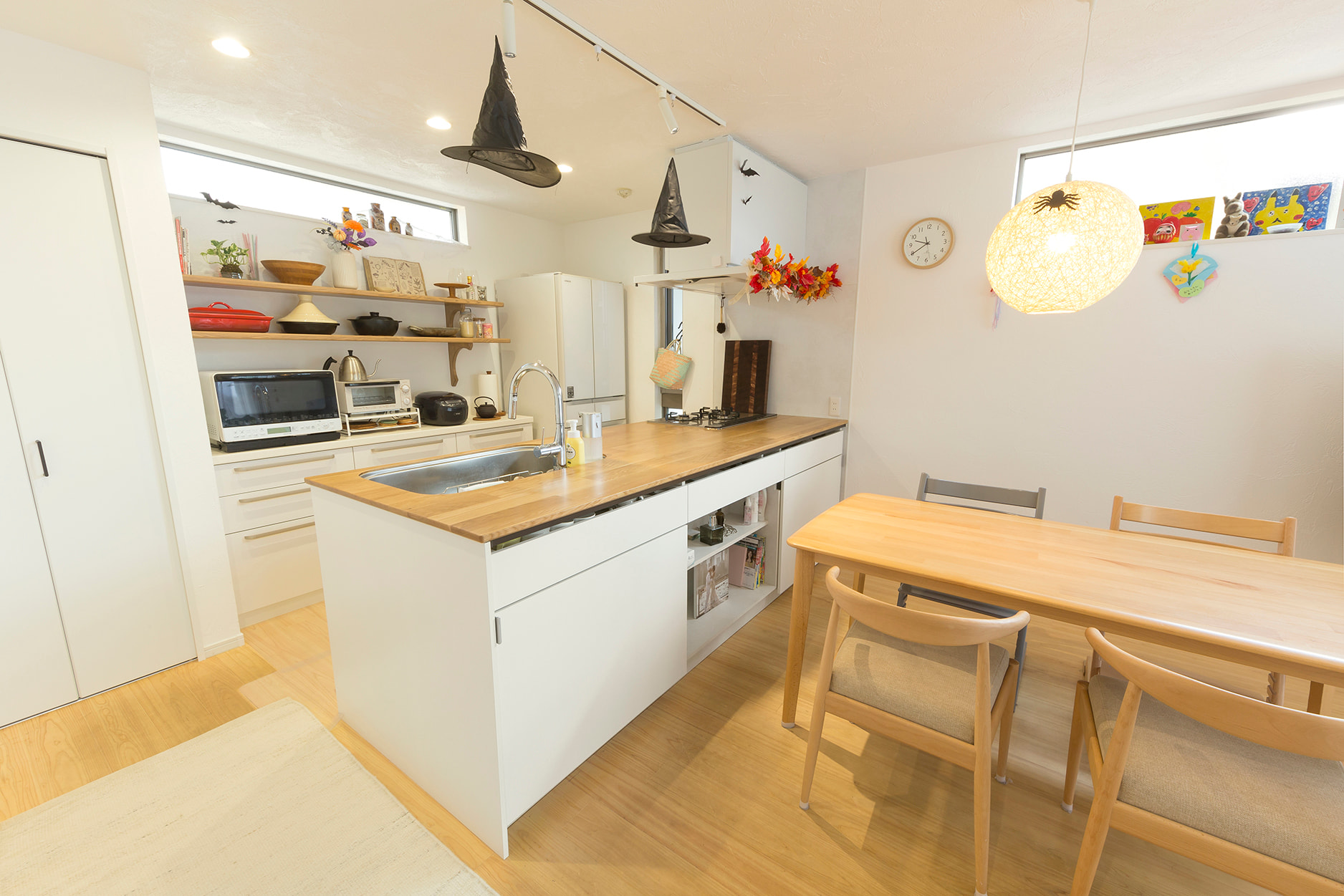
自然材质 LDK 厨房:木地板、矿物墙面与开放台面的协调
开放式厨房放进木地板、矿物质感墙面与浅色家具之间,台面材质、边缘、光线和收纳都会被一并看见。把视线、维护与日常动作放在同一张平面里,空间才更容易长期使用。
厨房与浴室
咖啡馆感厨房:从工作台、灯光到开放收纳的细节
厨房的风格建立在烹饪、清洁和收纳动线之上。开放展示适合少量常用器物,其他物品仍应有明确的收纳位置。